
The Rannoch Moor in Scotland is a famous wetland. Not because it’s size, an expanse of 130 square kilometer of boggy moorland, but because is has a connection with Harry Potter. The Rannoch Moor has no roads or even footpaths, it’s a wetland and that’s very wet indeed. But, unimaginable, there is a daily railway service from Glasgow to Fort William which traverses the Rannoch Moor. On a railway that floats. In one of the Harry Potter movies, you can see the Hogwarts School of Witchcraft and Wizardry Express, the Harry Potter “Steam Service” moving over this floating railway, it is absolutely magic.
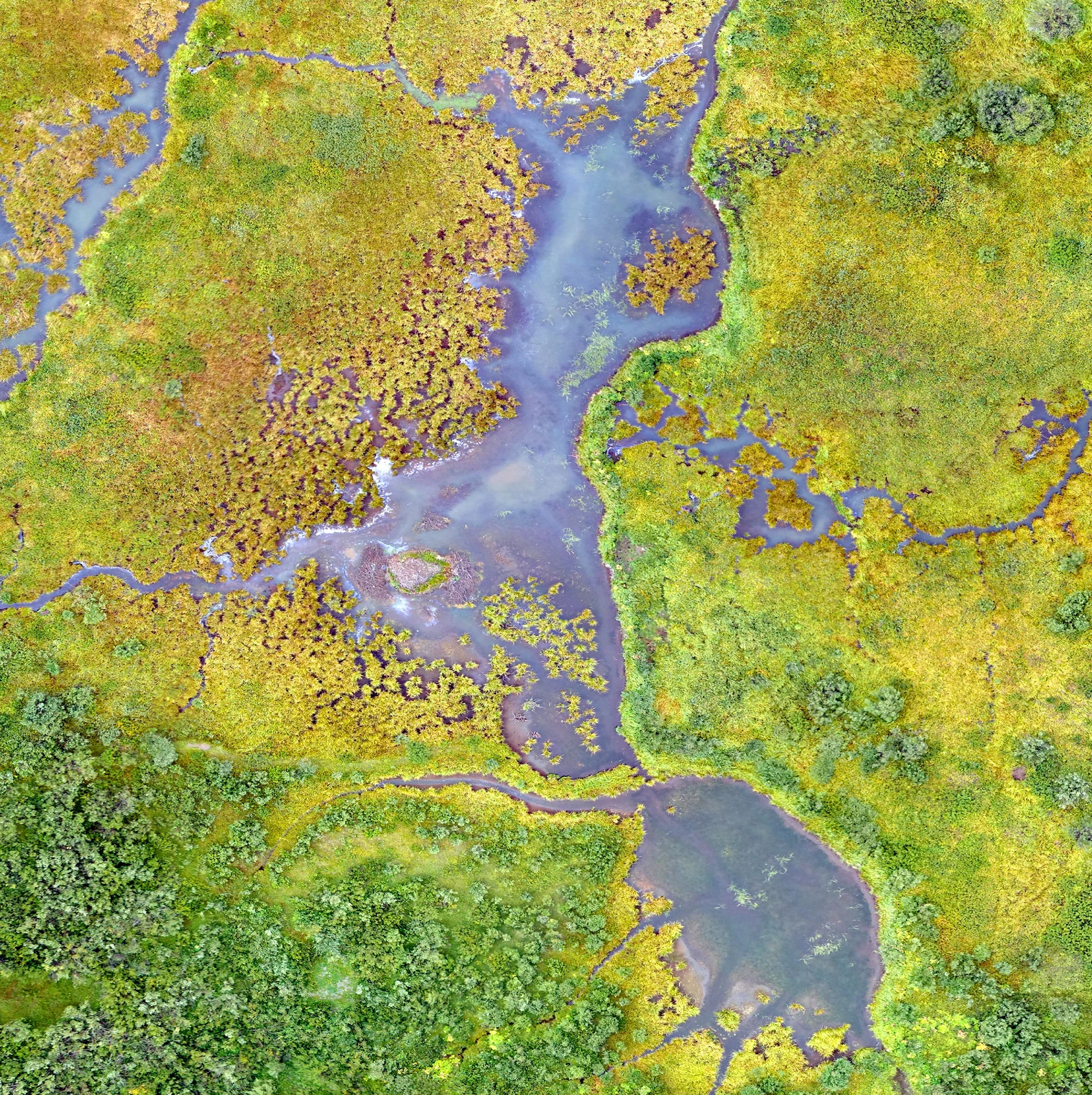
The keyword for a wetland is boggy. Not soggy, soggy is used related to unpleasantly wet and soft food, like “I hate it when my cereal goes soggy”. Other words used are swampy, marshy, Moorish or peaty. But the best is boggy. Boggy tell us that everything on a wetland is saturated with water. The soil and the vegetation on it. Wetlands are like sponges.
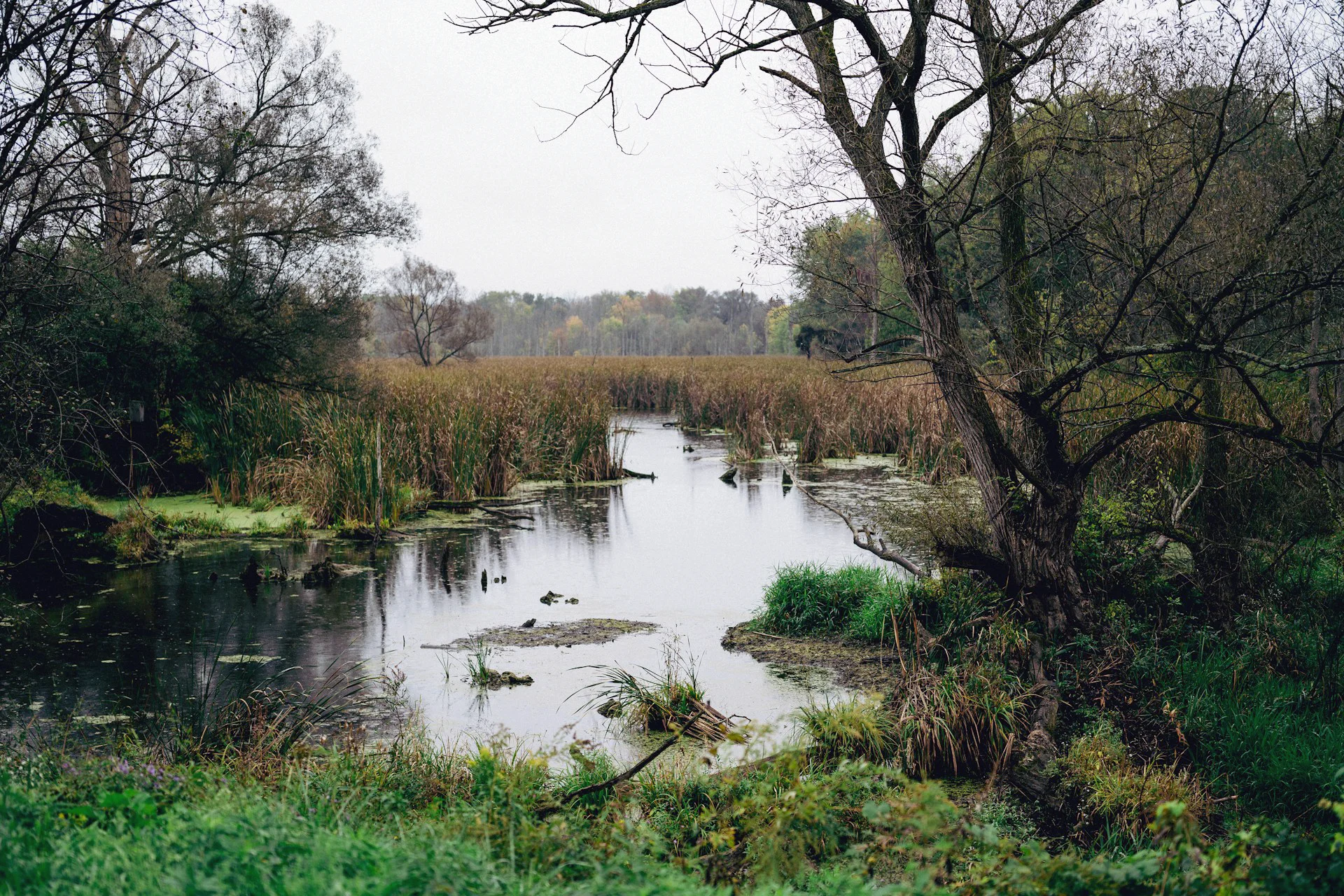
Wetlands are giant freshwater collectors. Think of them as a natural multi-tool. Acting like a giant sponge they soak up heavy rainfall to prevent flooding. And releasing freshwater slowly in dry seasons, feeding rivers. Coastal wetlands, like mangroves and seagrass meadows, are protecting our shores from storms and erosion. Wetlands also act as massive filtration systems and recharge our groundwater resources, replenishing freshwater supplies. “Wetlands act as regulators within the hydrological cycle, slowing water movement to prevent rapid runoff and soil erosion”
Wetlands are not just boggy, empty areas of land waiting to be put to use. They are amongst the most valuable places on Earth, they are the “wet” places in our dry seasons. Wetlands are habitats teeming with life. “Despite covering only about 6% of the Earth’s surface, wetlands are home to incredible biodiversity and provide shelter to more than a 100.000 freshwater species”. Also, wetlands are vital for millions of migratory birds on journeys across continents twice a year. Their survival is linked to wetlands “dotting” their routes, providing shelter to rest and refuel.
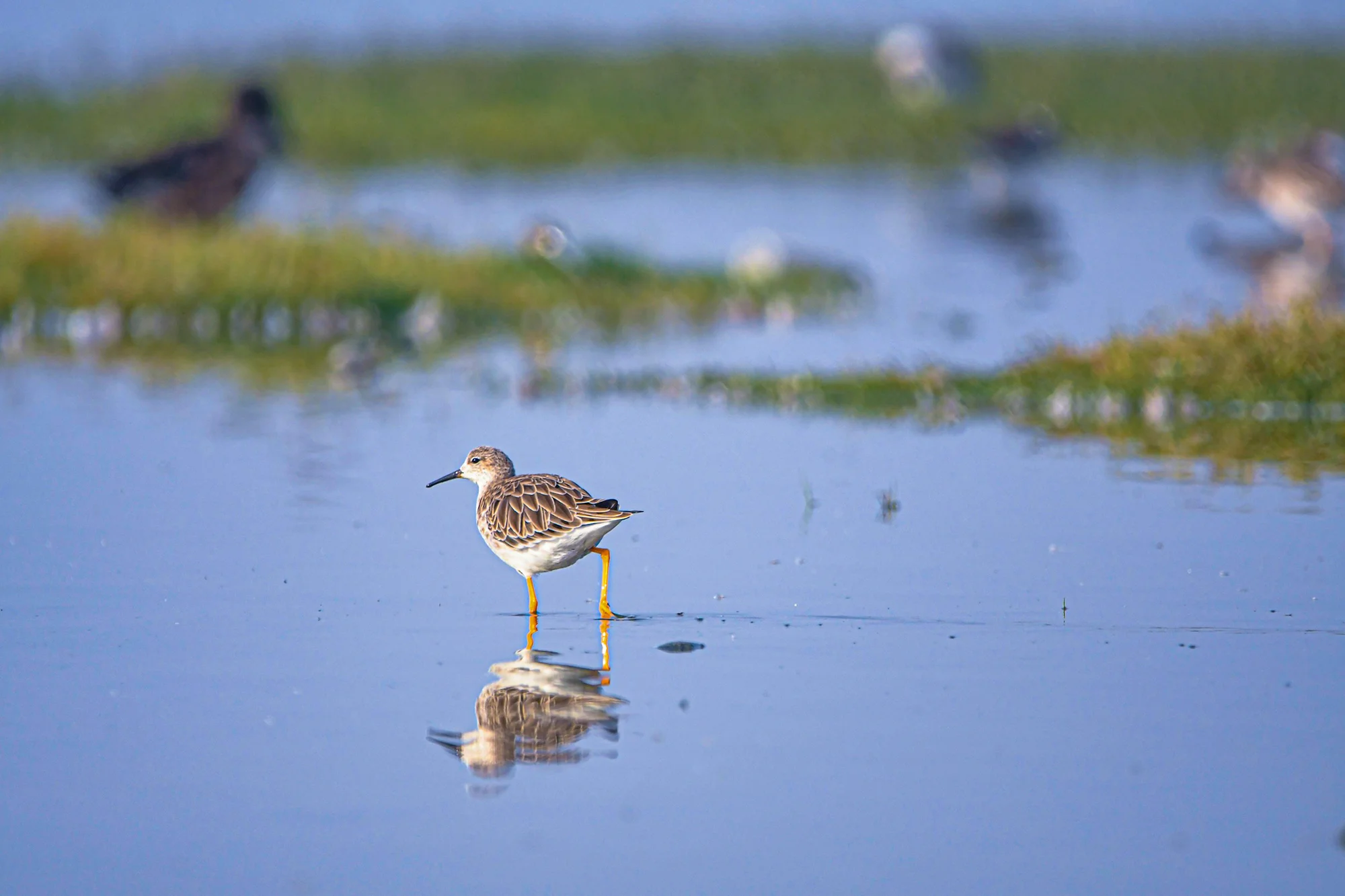
The biggest threat to wetlands comes from humans. You can find very different estimates of global wetland losses, with extreme differences, most of them “pretty high”. This research is quite different: “We estimate that 3,4 million square kilometers of inland wetlands have been lost since 1700, primarily for conversion for croplands. Wetland loss has been concentrated in Europe, the United States and China. This net loss of 21% of global wetland area is lower than that suggested previously by extrapolations of data disproportionately from high-loss regions. This “suggested previously” comment (Ouch, you got burned) concerning other scientific research results is quite extraordinary in scientific society, nonetheless this research was “accepted and published”. It doesn’t change the fact that humans alter the hydrology of wetlands; starting with building dams and dykes and subsequently digging ditches draining these unique habitats. Developed for our large-scale agriculture, human housing and infrastructure; the main drivers of wetland losses. Due to our still growing world population number wetlands are disappearing three times faster than forests.
We need to talk specifically about peatlands. These are wetlands where dead plant material has built up for thousands of years in waterlogged soil. They only cover 3% of the Earth’s land, but they store twice as much carbon as all of the world’s forests combined. Peat soils contain more than 600 gigatonnes of carbon, which is up to 44% of all soil carbon on the planet.
Healthy peatlands are carbon sinks. They absorb carbon from the atmosphere and lock it safely underground, where it has been building up for millennia. But when we drain or burn them for agriculture, the process reverses. They become a carbon source, leaking centuries of stored carbon back into the atmosphere. Damaged peatlands currently account for about 5% of all human-caused greenhouse gas emissions, from an area that covers less than 0.3% of land.
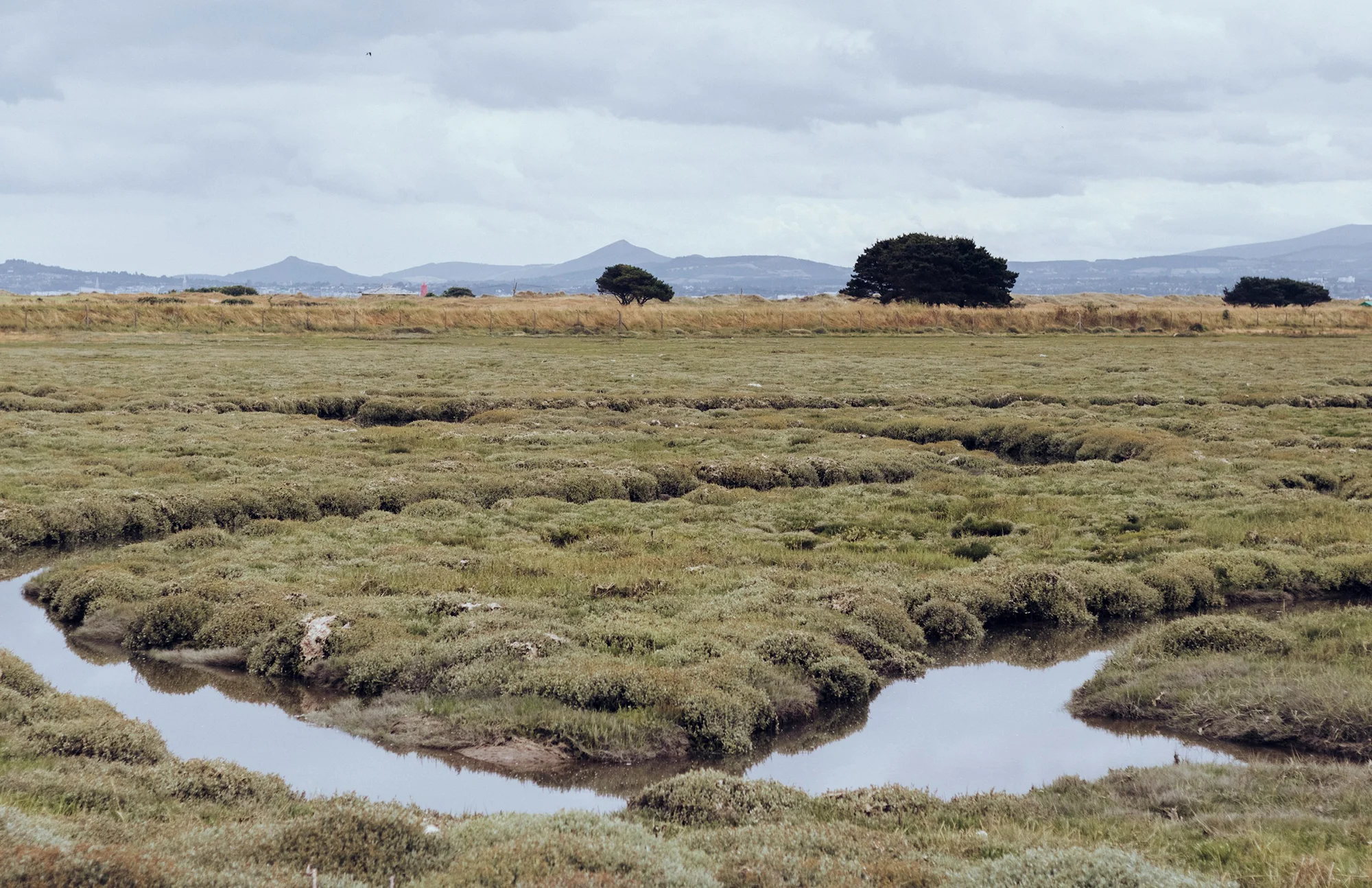
In Too Many Too Much, we described how the behavior of humankind is like a double bladed knife. One side cuts into the planet’s resources through ever growing demand, while the other cuts into the planet’s ability to regenerate those resources. Wetland loss is a clear example of this dynamic.
On one hand, a still growing world population requires more land for food and housing, pushing us to drain the very swamps and marshes we see as “useless space.” On the other hand, by destroying them, we sabotage our own safety net. We are trading away our best defense against floods, our most efficient carbon stores, and our primary water filters just as the climate becomes more volatile. We are effectively sharpening both sides of the blade, carving away the Earth’s biological resilience at the exact moment we need it most.
© 2026 - World Population Limitation Movement | Website by Donkeys & Co.