
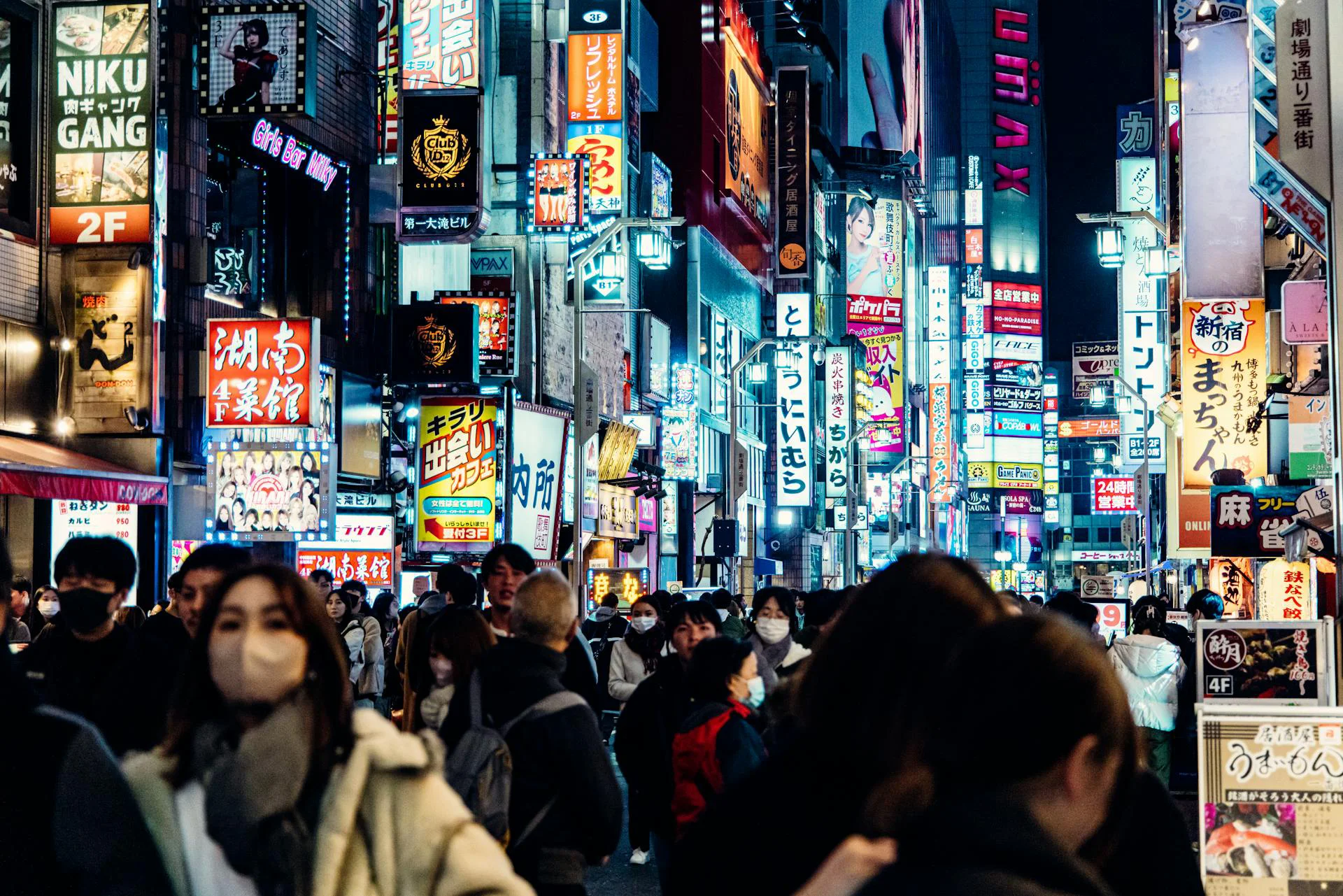
From the Cambridge Dictionary. Two’s company, three’s a crowd is said when two people are relaxed and enjoying each other’s company, but another person would make them less comfortable. Also from the Cambridge Dictionary: Crowded: meaning if a place is crowded, it is full of people.
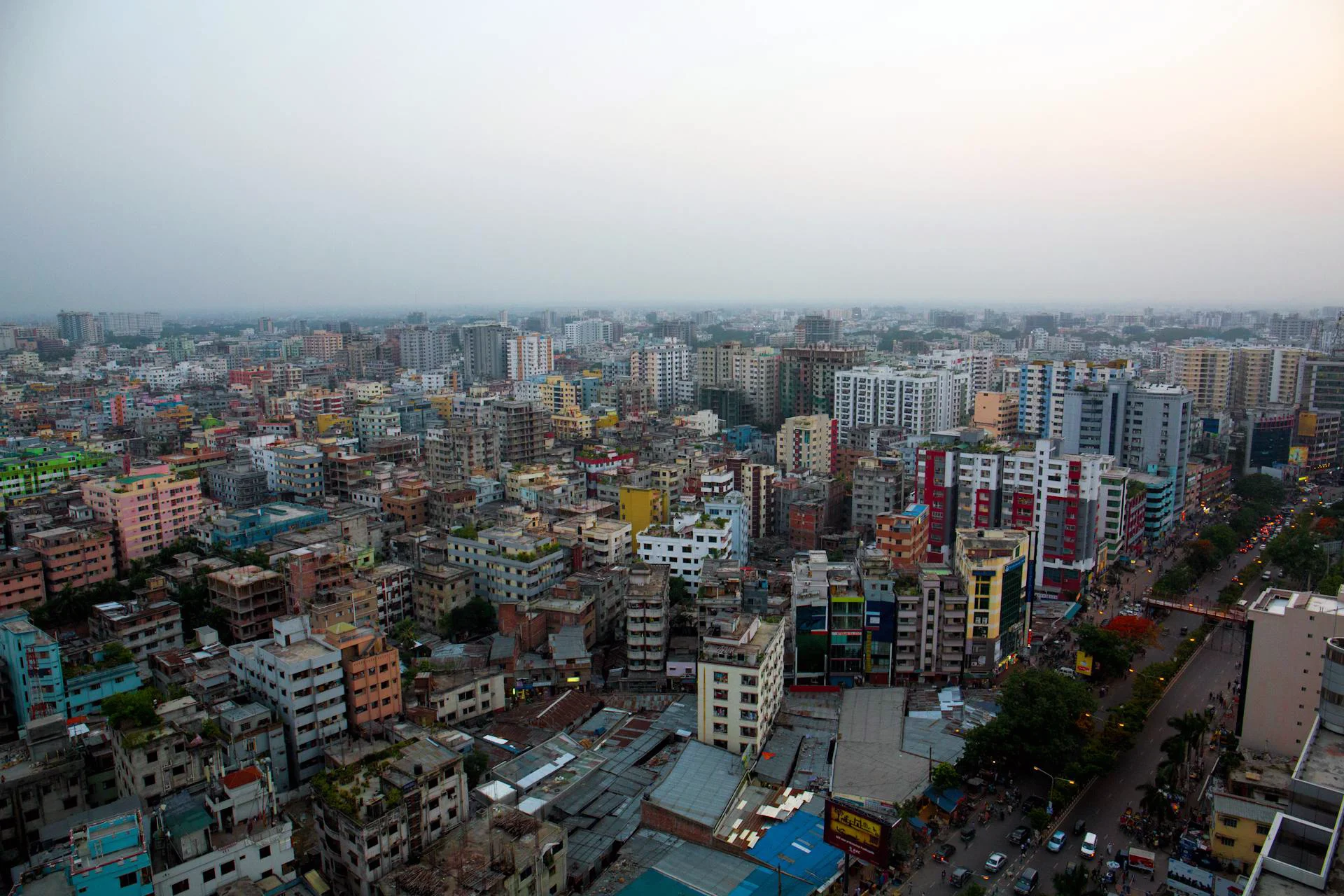
This is “a tricky one”. Looking at currently published scientific research “overcrowding” is a widely researched topic. Urban/environmental studies related to “overcrowding” are done to understand the impact of high-population-density-living on human stress levels, social interaction and mental health. In these researches two definitions are used frequently.
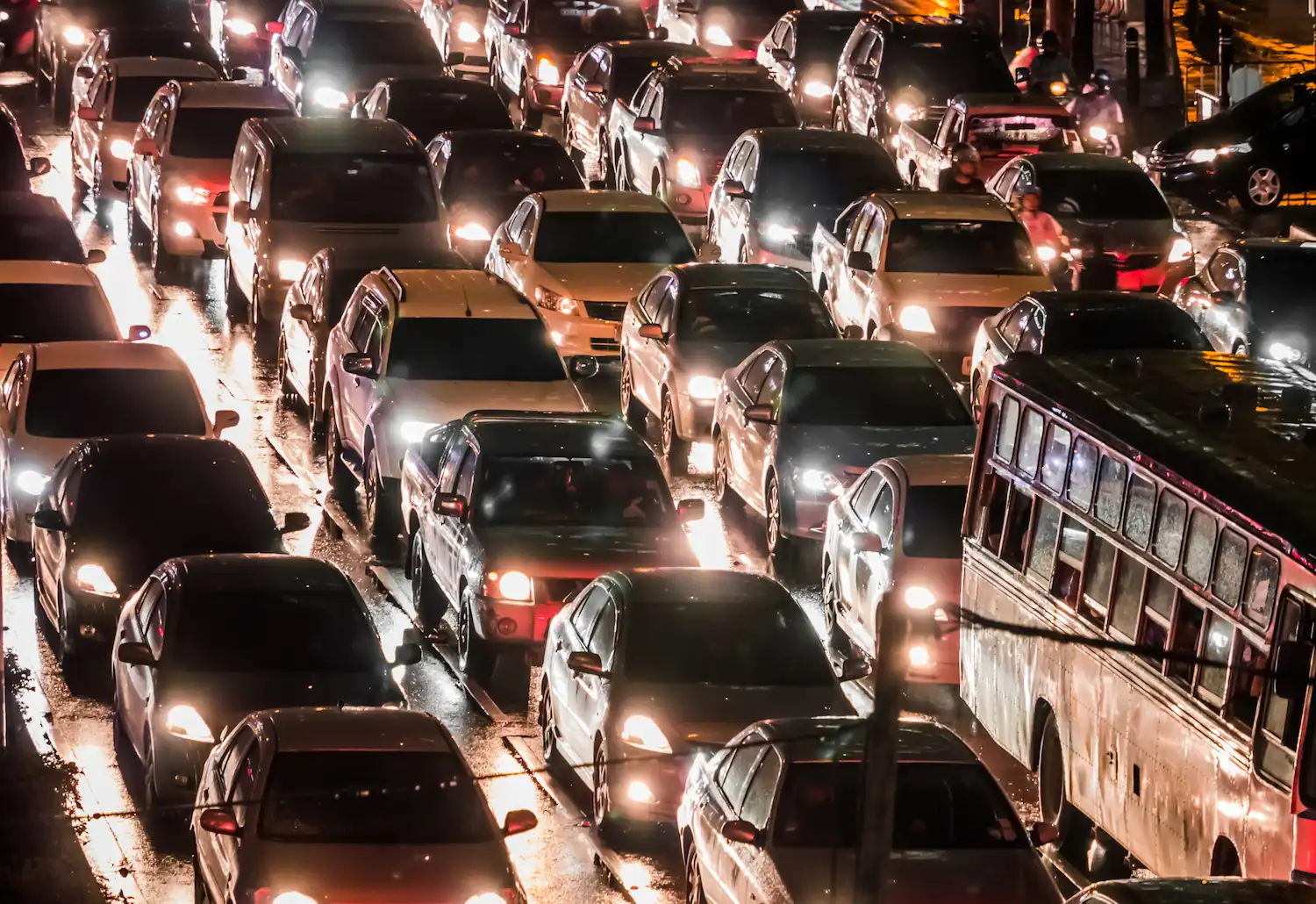
The difference between crowded and overcrowded is defined by so-called “thresholds”, where population density is so high that “it” becomes dangerous. I told you, this is “a tricky one”. The only definition, after browsing through a lot of relevant published scientific research, of this “thresholds” is: “a critical tipping point occurs when crowd density exceeds four to five people per square meter”. To quote Wikipedia: “A crowded space becomes overcrowded when the number of people exceeds the capacity of the area to provide a safe, comfortable or functional atmosphere. While “crowded” implies a bustling atmosphere with high population density; “overcrowded” indicates that the population density has crossed a threshold leading to safety risks, intense discomfort and a breakdown of social order”.
After visiting several governmental websites in the United Kingdom, it is obvious that the 4-5 people/square meter “rule” is applied in Crowd Safety/Risk Analysis. Crowd safety/risk analysis is applied when lots and lots of people come together for an “event”. Like a football match in the Premier League in the UK, or the New York marathon in the US; a music festival, a national celebration event etc etc. Lots and lots of people in a relatively small area, all entering and leaving a specific area in a relatively short amount of time. But does this 4-5 people/square meter “rule” also apply to determine whether a megacity is “overcrowded”? Well, let’s try….
“Dhaka is the capital and the largest city of Bangladesh. With an estimated population of 36,6 million, Dhaka is the second largest city by population in the world and is widely considered to be the most densely populated built-up area in the world; with density estimates ranging from roughly 33.800 to over 46.000 people per square kilometer in its urban core”. Now let’s see how much average “personal space” there is left when using the high estimate of 46.000 people per square kilometer. One square kilometer contains 1.000 X 1.000 = 1.000.000 square meters. 1 million square meter, with 46.000 people living on that surface. Open the calculator on your phone and type 1.0000.0000 and divide by 46.0000; concluding that the average person still has a personal space of 21,73 square meters. So, the 4-5 people/square meter principle does not apply to determine if a mega city is “overcrowded”, not at all…
Now that we established the absence of scientific terms to define whether a mega city is crowded or overcrowded, the only term left that has scientific agreement is population density. Calculating or estimating the number of people living on a square kilometer or a square mile. By definition: “population density is the average number of people per unit area” or “the measurement (population divided by land area) formula”. For example, we imagine a mega city with a 20 million population which occupies a surface area of 500 square kilometers; 20.000.000 divided by 500 gives us an average population density of 40.000 people/square kilometer.
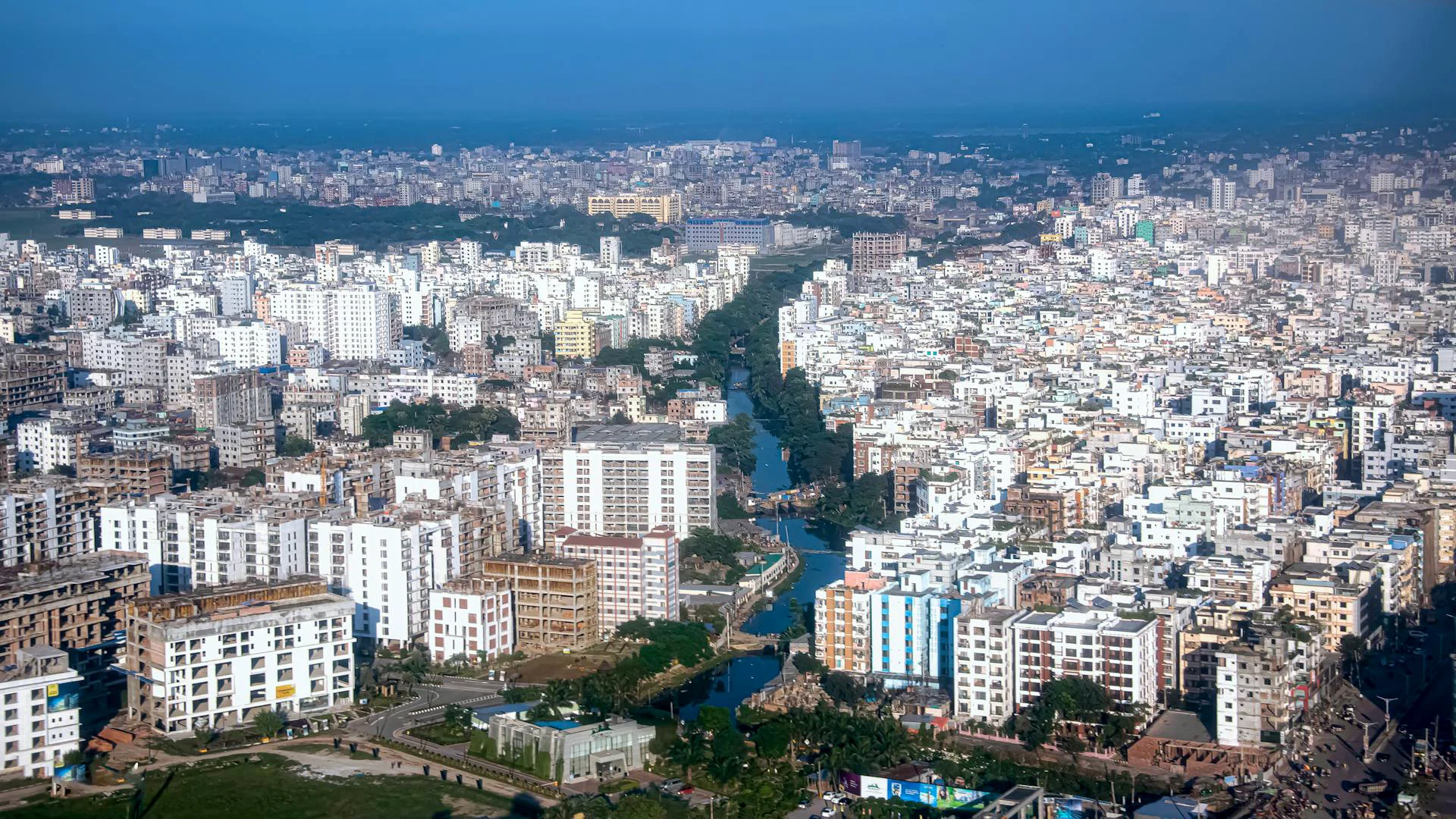
There’s another “tricky one”. High population density is frequently used in urban/environmental studies. Medium or Low Population Density are not to be found. A specific number where Population Density stops and High Population Density starts is not available. Only definitions like this: A high-density population is “a specific, extreme state of this metric, where a high concentration of people live in a small area”. The only population density classifications found in research are used for urban planning and resource. They are classified as urban, suburban and rural; and have the required exact numbers to separate them from each other.
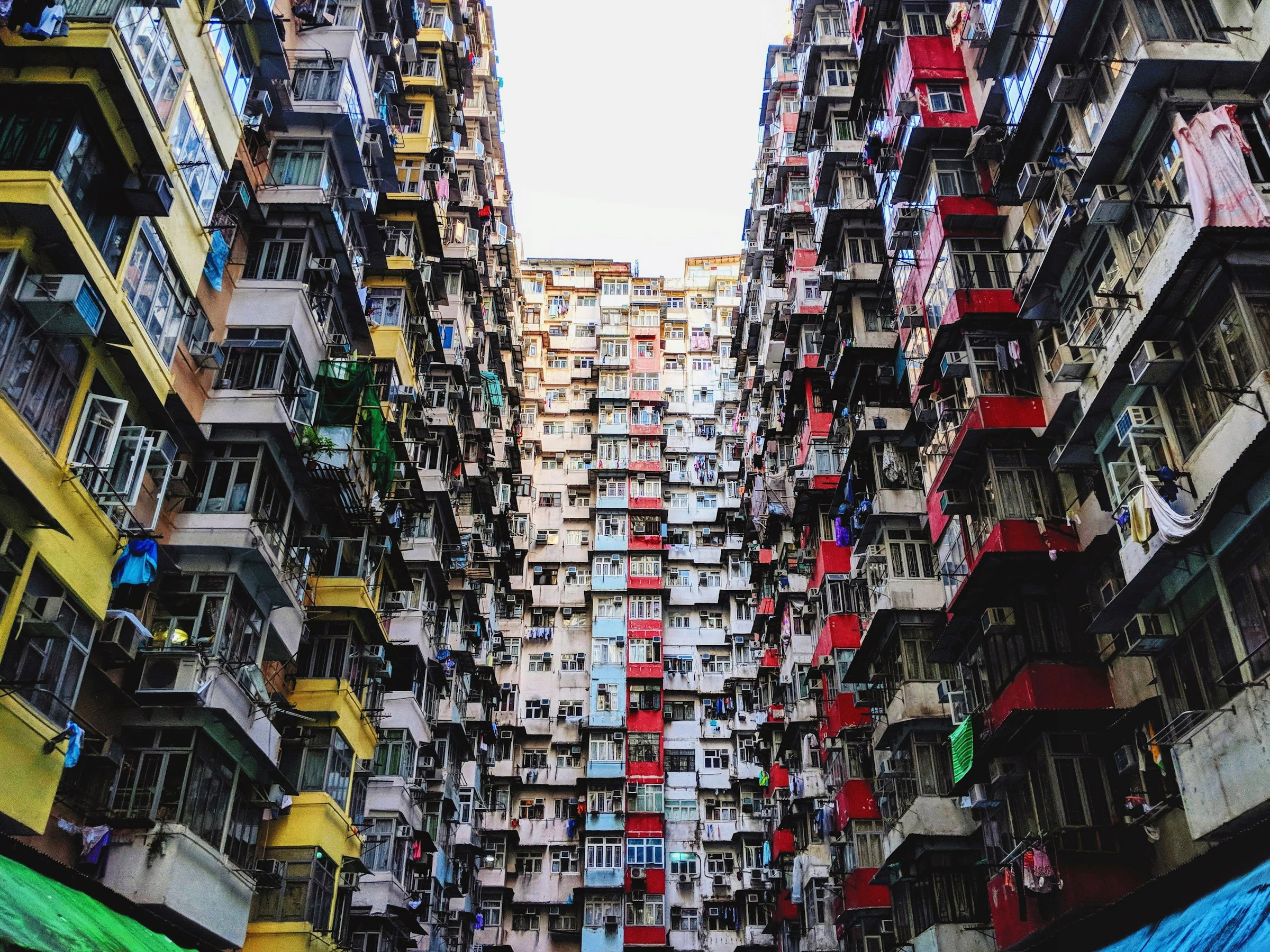
If you have a “first and fresh” look at this question you might think: the more millions of people in a city means the less “personal space” people will have. It seems logic, but it isn’t. Dhaka is the second largest city by population in the world, but the first largest is Tokyo, the capital of Japan. “Greater Tokyo Area: the entire metropolitan area has a population of over 37 -40 million people”. The 23 central wards (city central) have a population density higher than the average, with some areas exceeding 14.000 – 15.000 people per square kilometer. The Tokyo average population density is approximately 6.363 to 6.424 people per square kilometer. So, does this mean Dhaka is “overcrowded” and Tokyo “crowded”? No, the large difference between the population densities of Dhaka and Tokyo is because, although the population number is nearly the same, Tokyo’s surface area is over 5 times bigger than Dhaka’s. Tokyo’s metropolitan surface area is estimated at 13.500 square kilometer and Dhaka’s metropolitan surface area is approximately 2.570 square kilometers.
Let’s imagine you live in a country in the northwestern part of Europe. A country that has an estimated population of 18,45 million people, living on a surface area of 41.864 square kilometer. Let’s imagine you decide to spend your summer holiday in the capital of Bangladesh. Dhaka, a megacity that has nearly doubled your country’s population number on a estimated surface area of 2.570 square kilometer. I think the word “overcrowding” will not suffice to describe the feeling you will have in Dhaka, maybe “being in a population pressure cooker” is a more accurate term. Both terms are not backed by “exact scientific research results” but are a psychological response, “the feelings”, you probably will have during your stay in Dhaka. Both terms are a subjective description of Dhaka, not an objective. A person born and raised and living his or her life in Dhaka will certainly not use the same terms. Maybe he or she will describe daily life as “business as usual”. The consulted Wikipedia source also states: “While population density offers an objective measure of the number of people living per unit area, overcrowding refers to people’s psychological response to density”
This was the “campaign slogan” used by a new political party during the general election 2002 in The Netherlands. This campaign was based on texts like “increasing social pressures” and “high population density”. A personal quote from the leader of this new political party during an interview: “I won’t say The Netherlands is full, but it is quite busy, in my opinion even a bit too crowded”. The cause of “this problem” was addressed to immigration, failing integration of immigrants and increasing social pressures.
Nowadays the issues of high population density, overcrowding, overpopulation and even “a bit too crowded” are more frequently used to address “problems” concerning immigration. You have to keep in mind that terms including “high or over” are not backed up by exact scientific research results. Terms like this are used by certain political parties to address the feelings “of unease” certain people have concerning “immigration problems”.
© 2026 - World Population Limitation Movement | Website by Donkeys & Co.