
Think of the last time you stood on a beach. Sand as far as you could see, more than you could ever count, slipping through your fingers. It feels like the one thing in the world we could never run out of. And yet we are. After water, sand is the most used natural resource on the planet, and the kind of sand we need is getting harder to find.
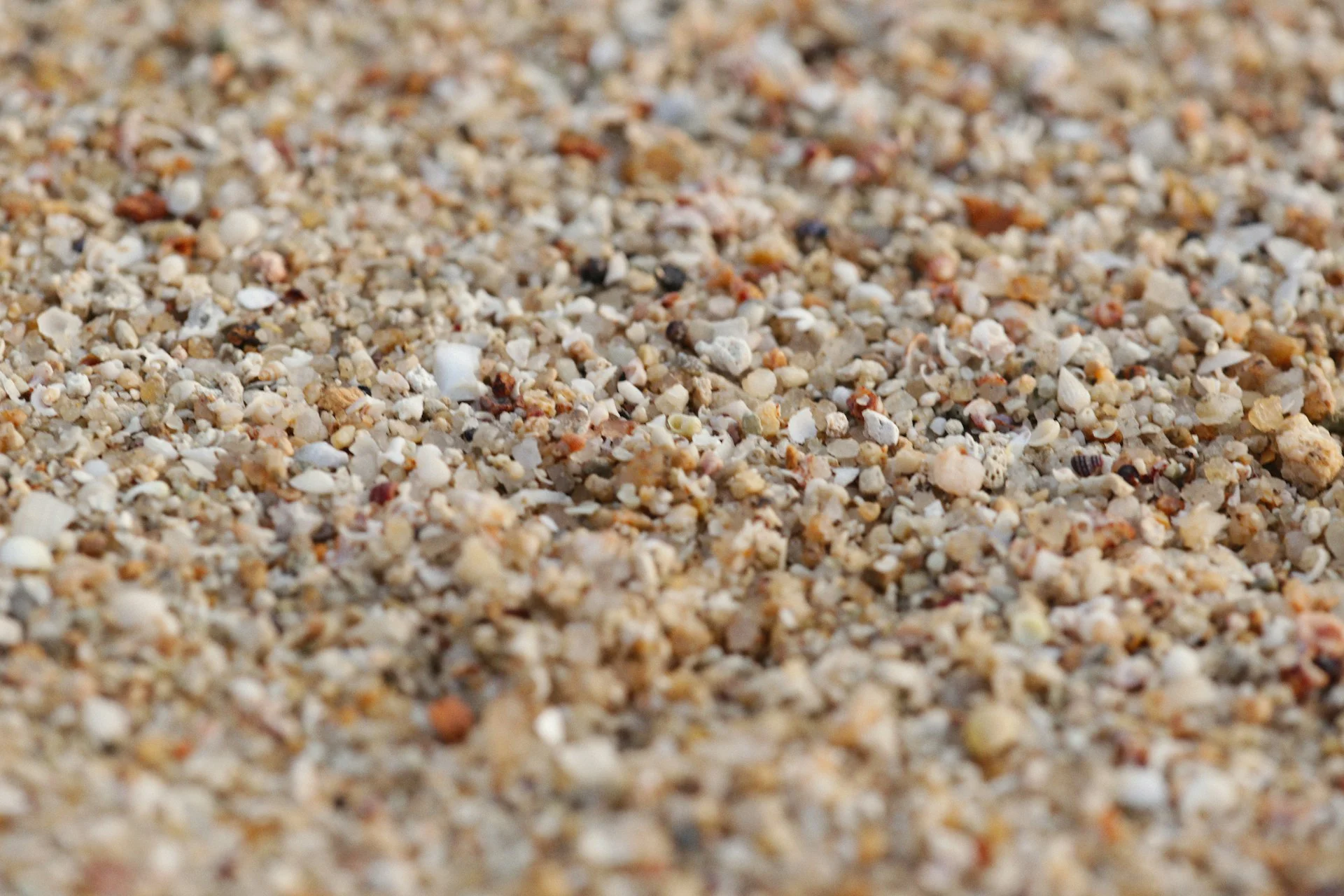
Look around the room you are in. The walls, the floor, the window, the screen you are reading this on. Sand is hiding in almost all of it. It is the main ingredient in concrete, which is how we build pretty much everything, from houses to bridges to hospitals.
It is also melted down to make glass. It is poured into the sea to make new land. It sits under every road you have ever driven on.
How much do we use? According to the United Nations Environment Programme (UNEP), about 50 billion tonnes a year. That is enough sand to build a wall 27 metres tall and 27 metres wide right around the planet.
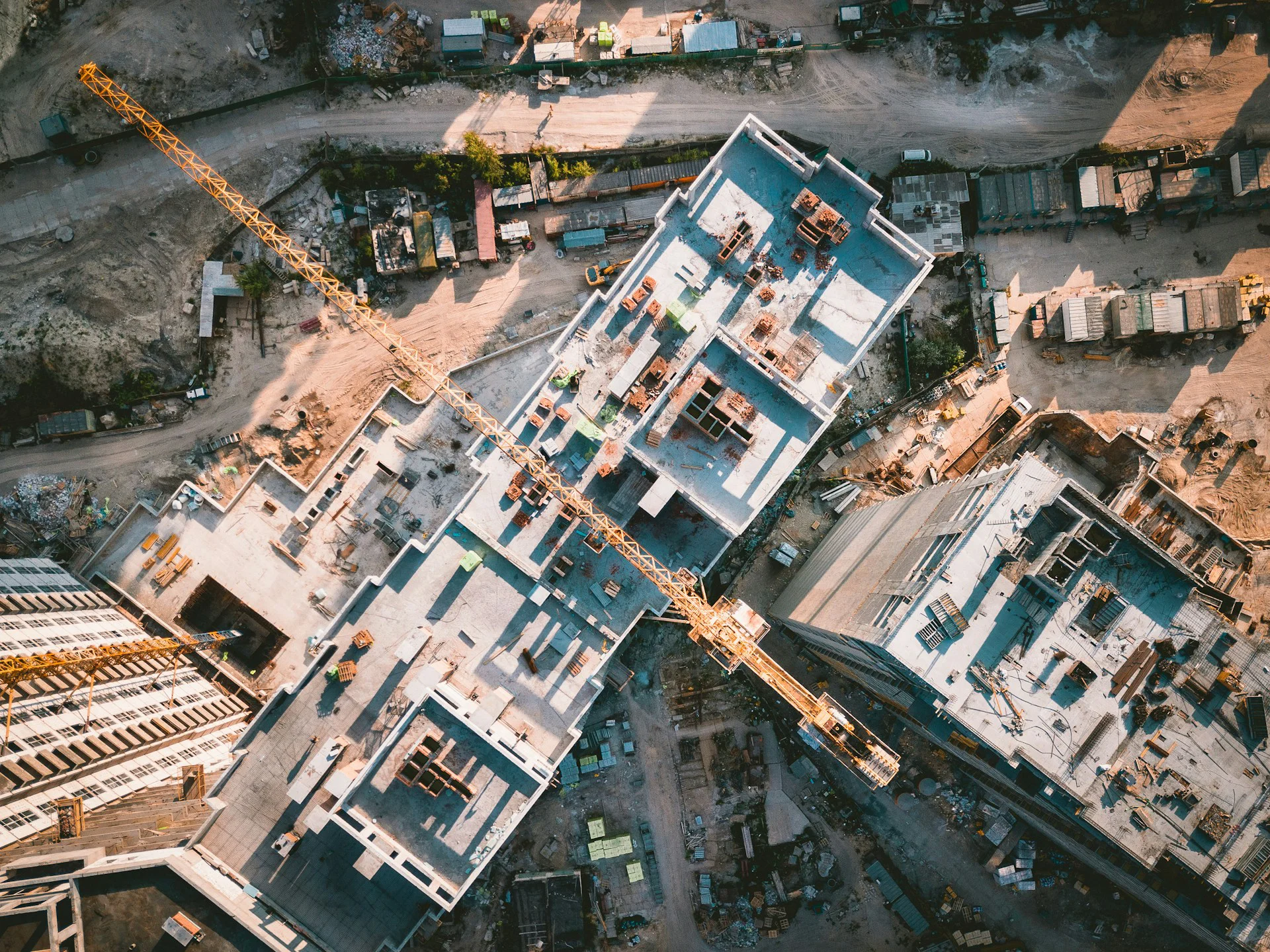
Here lies the twist that makes a “sand crisis” sound impossible at first. Deserts are full of sand, so how could we possibly run out? Good question, and it is the one everyone asks. The Sahara alone could bury a country. Why worry about sand when there is so much of it?
Here is the catch. Desert sand is useless for building. Wind has been rolling those grains around for thousands of years, wearing them way too smooth. Smooth grains slide past one another and bond poorly with cement, producing weak concrete. What builders need is rough, jagged sand, the kind shaped by water in rivers, lakes, and along coasts.
If that sounds hard to believe, consider this. Saudi Arabia is mostly desert, and it still buys its building sand from other countries.
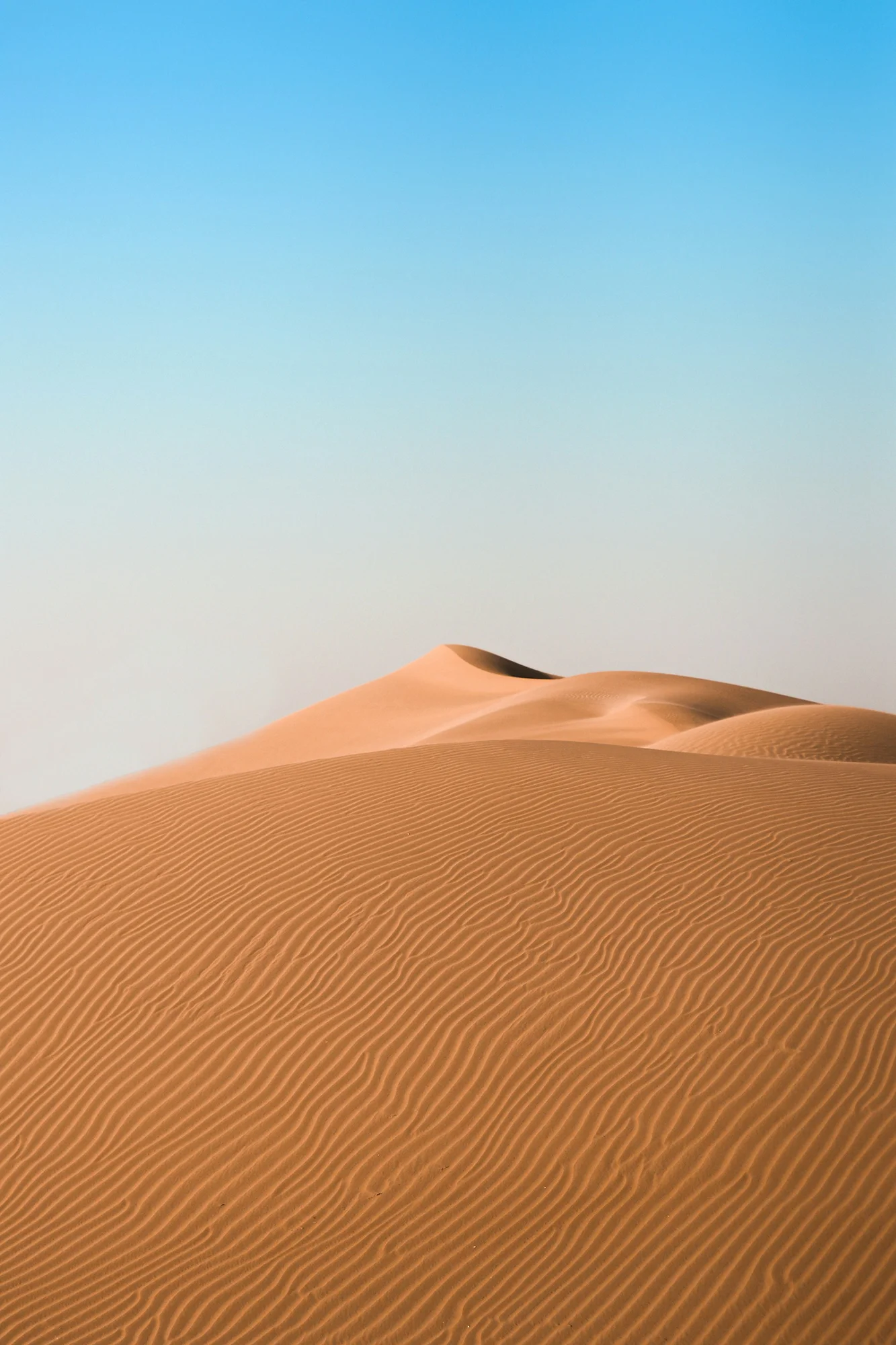
Usable sand does replenish itself, but very slowly. UNEP notes that it took nature hundreds of thousands of years to grind rock into sand through gradual erosion. We are now taking it far faster than rivers and coasts can renew it. UNEP calls this widening deficit the “sand gap.” In their 2026 report, the agency warns that demand for sand in buildings alone could rise by up to 45 percent by 2060.
Every year we want more sand. But other than it running out, there’s another side. Taking sand hurts the environment. Dredging sand from riverbeds deepens and destabilises them, eroding banks and lowering water tables. Removing it from coasts removes the natural wall that shields the coast from storms and rising seas.
UNEP links sand extraction to erosion, the salinisation of groundwater, and the loss of habitats for fish, birds, and countless other species.
Why is the demand for sand climbing so steeply? UNEP points directly to population growth, urbanisation, infrastructure expansion, and economic development.
More people means more homes, more schools, more roads, and every one of them is made with sand. Second, how we live. As countries get wealthier, they build more per person, bigger and taller.
More than half the world’s people now live in cities, and that share keeps rising. Every new resident and every step up in living standard adds to the pile.
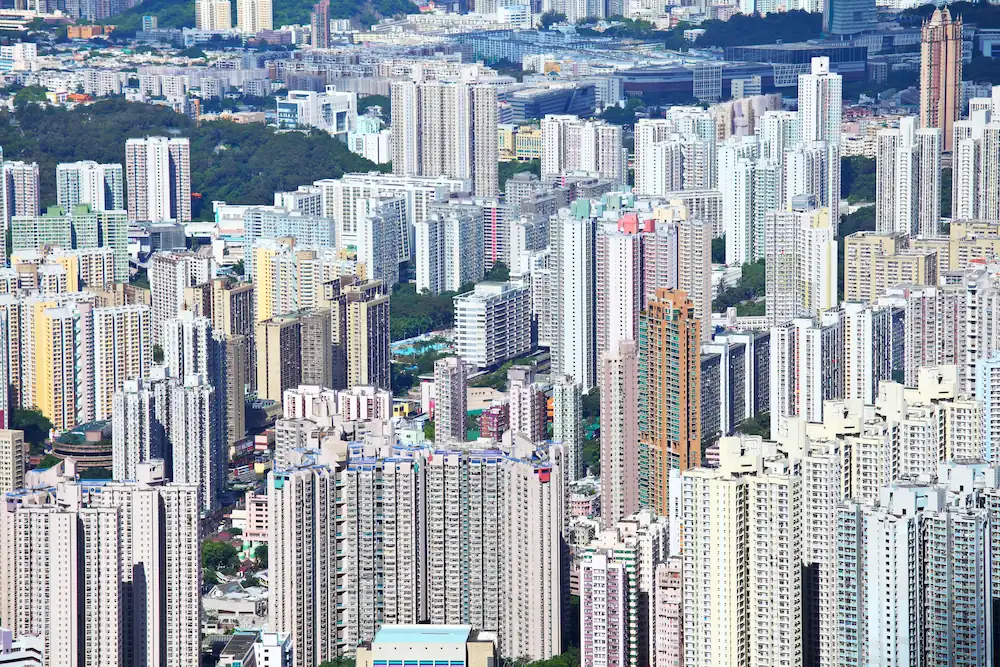
Sand is the resource nobody thinks about, building up the world everybody lives in. Clever ideas and new technology can stretch the supply, like recycling old concrete or crushing rock into fresh grains. But no trick or workaround changes the basic sum of a finite planet and a rising demand.
© 2026 - World Population Limitation Movement | Website by Donkeys & Co.