
It is estimated that global agricultural freshwater pollution has overtaken freshwater pollution from settlements and industries. Agricultural pollution often includes large quantities of nitrate (from organic fertilizers), pesticides and other agrochemicals. Decreasing water quality in modern cities is caused by crop fertilization in city freshwater supply areas, which can be at great distances. But the quality of freshwater for a modern large city also has local dimensions. Like the presence or absence of a functioning sanitation infrastructure, raw sewage treatment plants, or a functional city waste disposal service. With or without such “local dimensions” will result in huge freshwater quality differences between city’s local freshwater supplies.
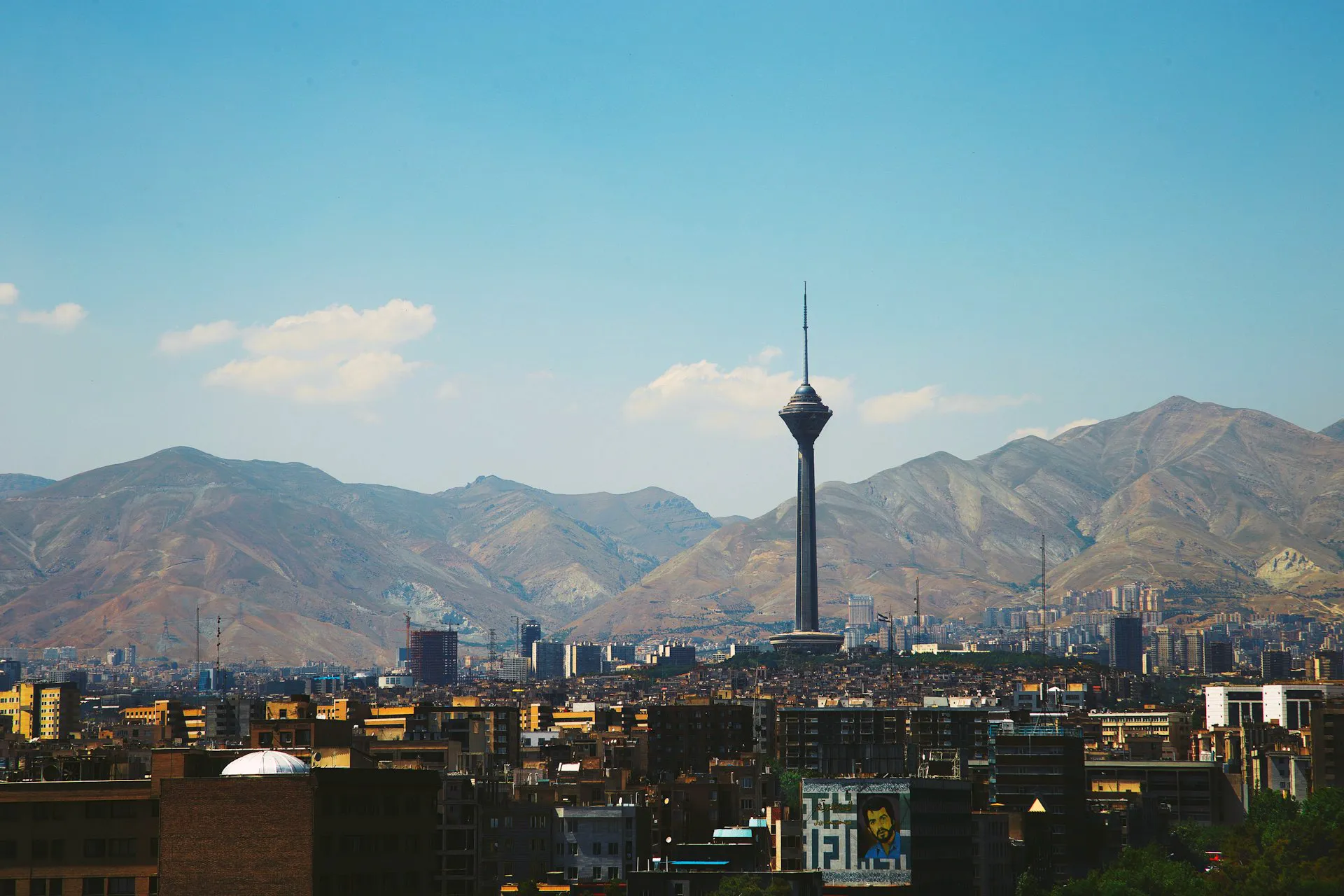
At it’s simplest, water scarcity is the gap between how much freshwater we use and how much is actually available. It happens when the natural freshwater supply in a region can no longer keep up with human demands. Contrary to common belief, you don’t have to live in a desert to experience freshwater scarcity. It occurs whenever a community extracts water from rivers, lakes, reservoirs or underground resources faster than rain or snow can refill them. For centuries now, we treated clean freshwater as an infinite resource, but that assumption no longer holds today.

In urban areas people use more freshwater compared to rural areas. Or, as the Social Health website states: “urban residents typically use more water per person than their rural counterparts”. Why? When you live in “the middle of nowhere” you have to walk several miles to obtain, and carry back home your daily supply of clean freshwater. You do that only once a day. When you have only bottled water for household use (600 million households globally), you will only use what you have.
In a rural setting communities rely on smaller localized clean freshwater sources and residents are aware of their limited supply. So you keep that in mind when you take a shower. Urban residents have no idea where clean freshwater comes from other than: it runs from my tap. And taps are everywhere. Urban freshwater consumption spans domestic, commercial, industrial and public service needs. Urban freshwater infrastructure is designed to satisfy all demands you can think of. If you have the necessary money to pay for it. It also is a business model.
This is the research found suitable for this info page. The research results are short and quite stunning. The research made a distinction between water quality risk (is it clean?) and water scarcity risk (do we have enough?). The research is an evaluation of freshwater quality and scarcity risks in 304 large (population above 1 million) cities all over the world in 2015. Followed by a projection / estimation of the 2015 results in the nearby future unto 2050.
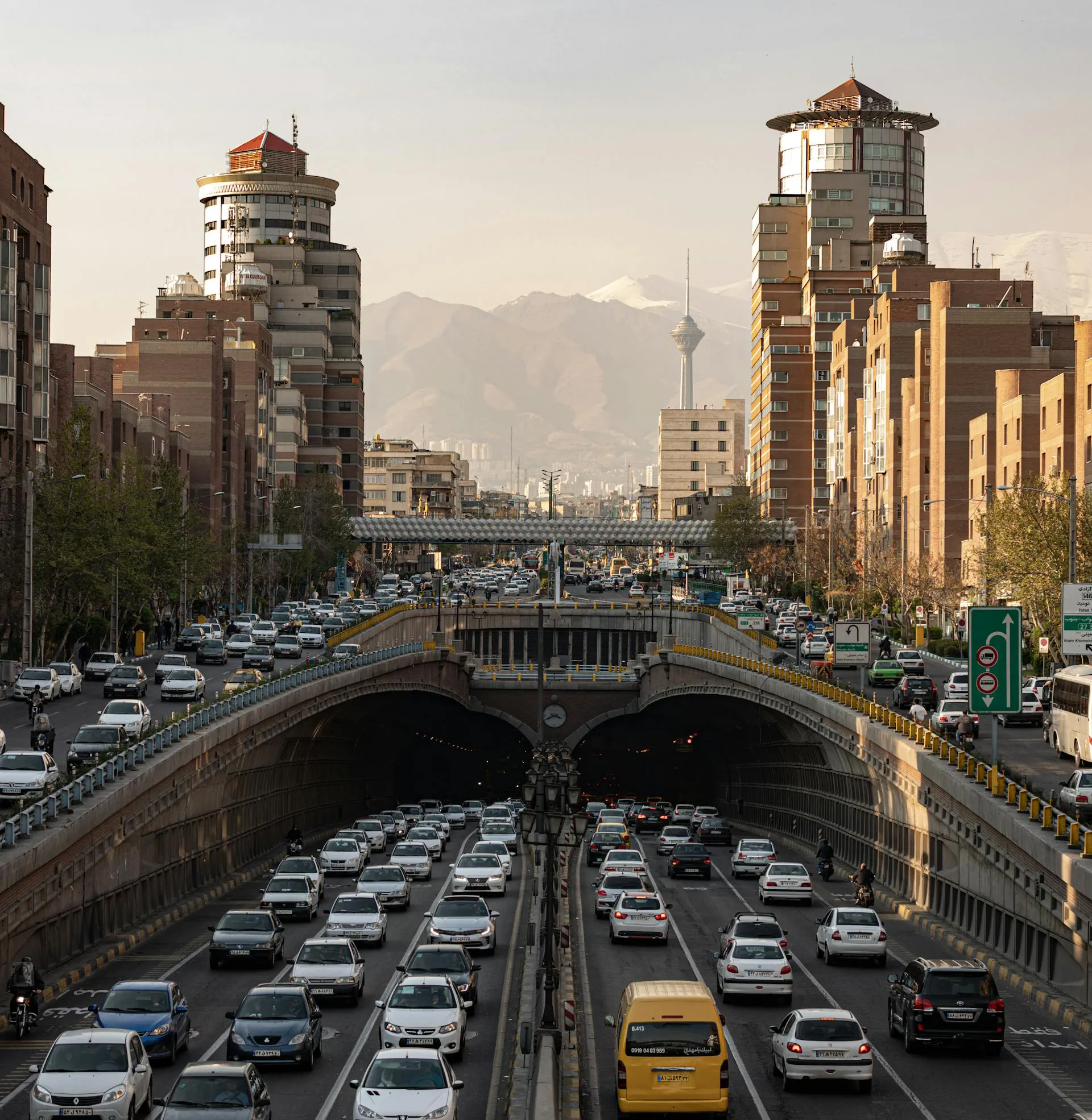
“Of the 304 cities evaluated 262 faced quality risk, among these 69 cities face very high quality risk. Decreasing freshwater quality is caused by population growth, increasing population density and crop fertilization in city water supply areas” “Of the 304 cities evaluated 85 face scarcity risk, among these 48 face very high scarcity risk. Increasing socio-economic development; visible in booming industrial, agricultural and domestic freshwater demand, is the main reason for increasing scarcity risk”. “Of the 304 cities evaluated 74 faced dual risks, meaning freshwater quality as well as scarcity risks. Of the 304 cities evaluated 7 were exposed to both very high quality risk and very high scarcity risk” (Scarcity and quality risk for future global urban water supply, Zhifeng et al.).
Along with the 2015 evaluation of the 304 large cites, 27 mega cities (population above 10 million) were also evaluated. “Of the 27 mega cities 23 face quality risk, 10 face scarcity risk. Among them 8 were exposed to both risks. 11 Mega cities including Sao Paulo (20 million), Mumbai (21 million) and Dhaka (36 million) face very high quality risk. 5 Mega cities including Delhi (34 million), Beijing (22 million), Los Angeles (13 million), Moscow (17 million) and Bangalore (14 million) face very high scarcity risk. Bangalore faces very high risk to both scarcity and quality” (Scarcity and quality risk for future global urban water supply, Zhifeng et al.).
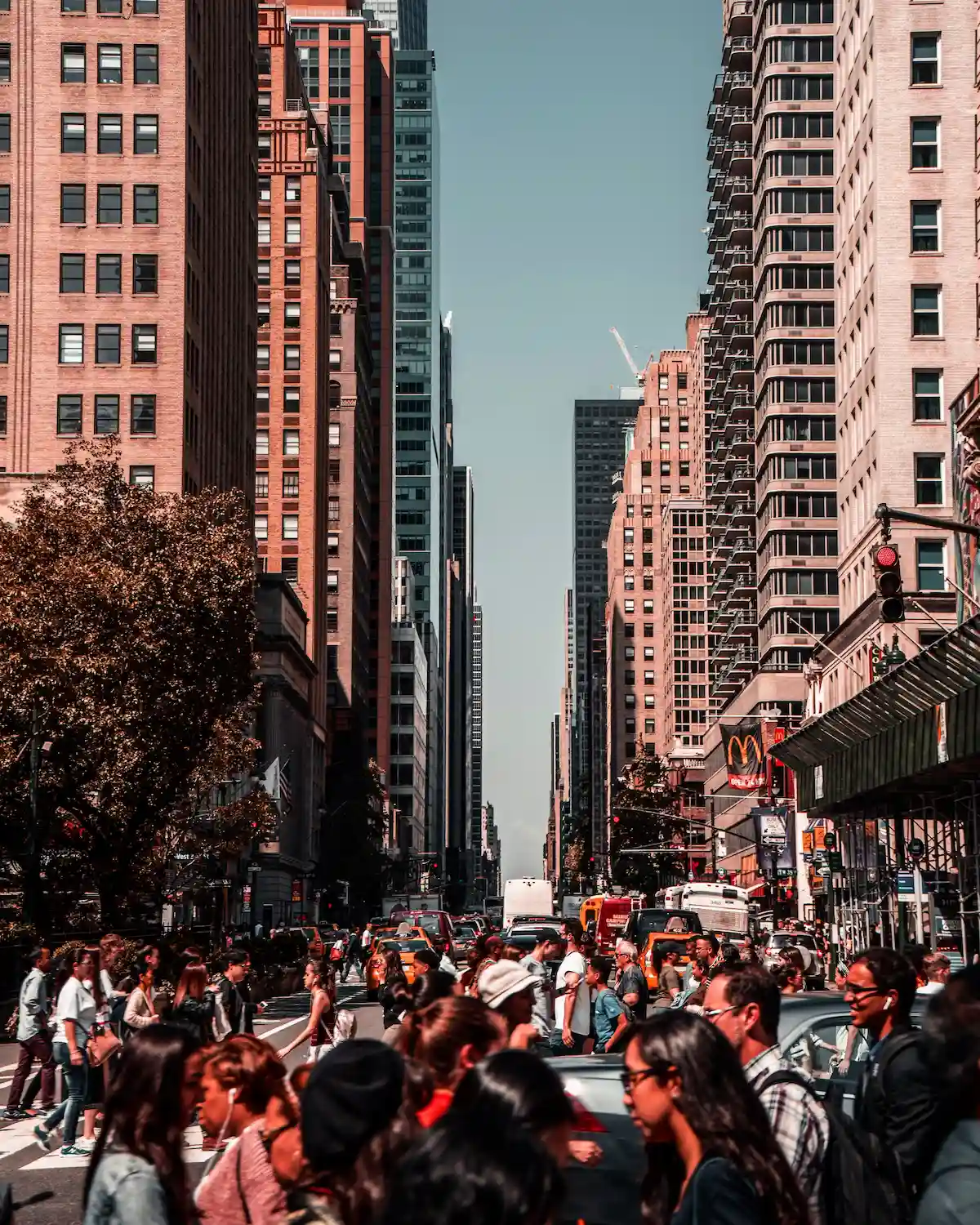
Near future projections/estimations in this research are based on the “business as usual” scenario. This scenario is assuming that global population will grow and no changes in consuming patterns will occur. Instead of quoting the research results again, only the increasing number of cities “in trouble” will follow. From 2015-2050: 177-236 cities with increasing quality risk, 207-297 cities with increasing scarcity risk and 114-220 facing increasing risk to both water scarcity and quality. In short: the near future increase in the number of cities facing rising scarcity risk is quite remarkable. This remarkable future increase is also visible in the mega cities projection, the number of mega cities facing rising scarcity risk increasing from 10 in 2015, up to 19-27 in the period 2015-2050.
The world population number in 2015 amounted to 7,4 billion people. In 2015 just over half of the world population, 54%, lives in an urban environment. Amounting to 3,97 billion people living, working and having children in a small, large, big or mega city. In 2050 nearly 7 in 10 people will live, work and have children in a city. The estimated world population number in 2050 is 9,7 billion people. The percentage of the world population living in a city is estimated to increase to 68% in 2050. This will result in a global urban population estimated at 6,4 to 6,7 billion. Urban global population has grown from 751 million people in 1950 to approximately 6,5 billion in 2050.
© 2026 - World Population Limitation Movement | Website by Donkeys & Co.