
Think about everything you threw away yesterday. Maybe a coffee cup, a food wrapper, the leftovers scraped off the plate, or the packaging from a parcel. You dropped it in a bin, the bin was emptied, and now it’s gone. Out of sight, out of mind. Except… it did not just disappear of course. Because it has to go somewhere. And around the world, that somewhere is filling up faster than we can build room for it.
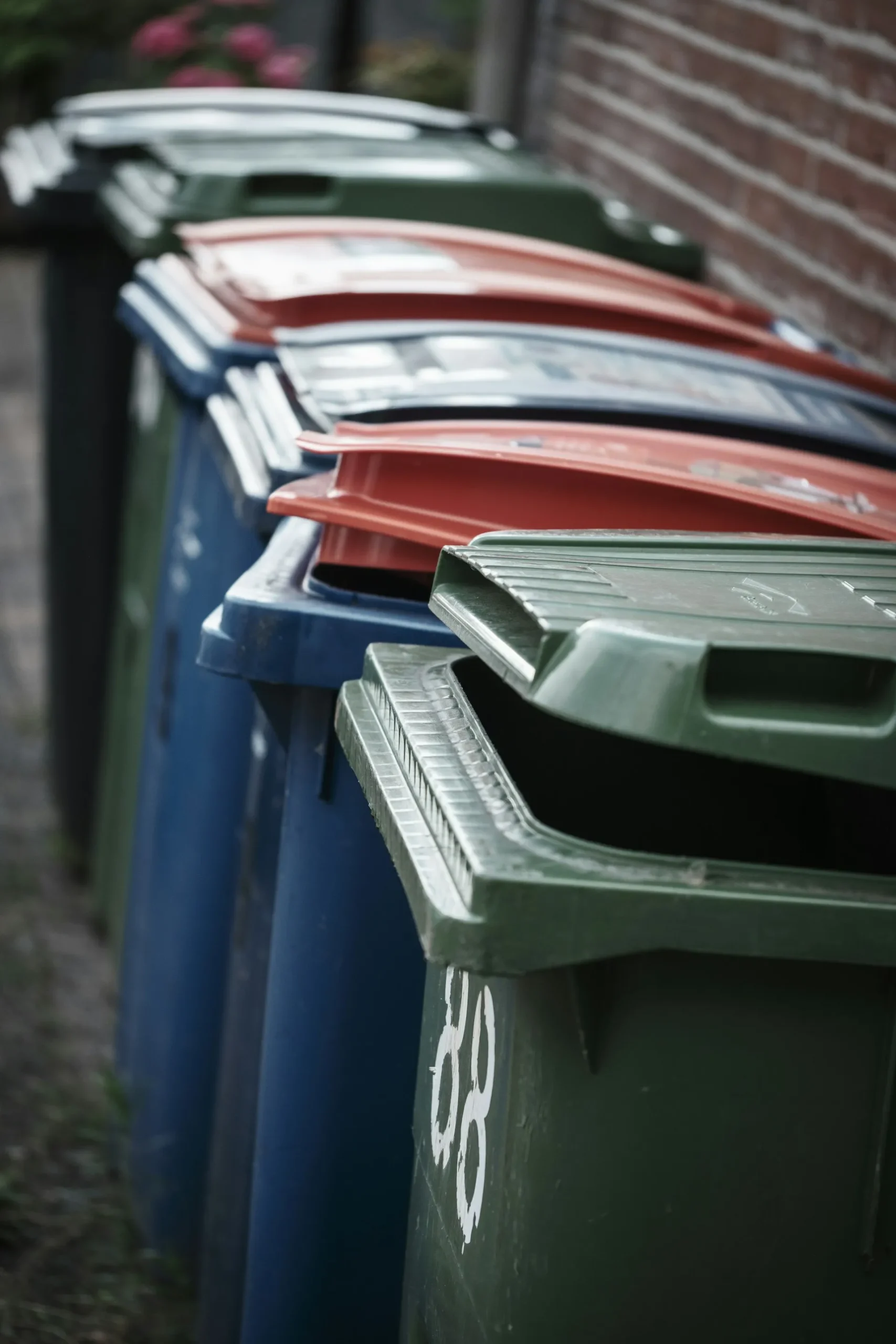
Let us start with the scale. In 2022 the world produced about 2.56 billion tonnes of household and city waste, according to the World Bank’s What a Waste 3.0 report. To put that in perspective, the previous edition of the same report, back in 2018, did not expect us to hit that number until 2030. We got there eight years early.
And we are not slowing down either. If we carry on as we are, the World Bank expects that figure to reach 3.86 billion tonnes a year by 2050. That is a jump of 50% in under three decades.
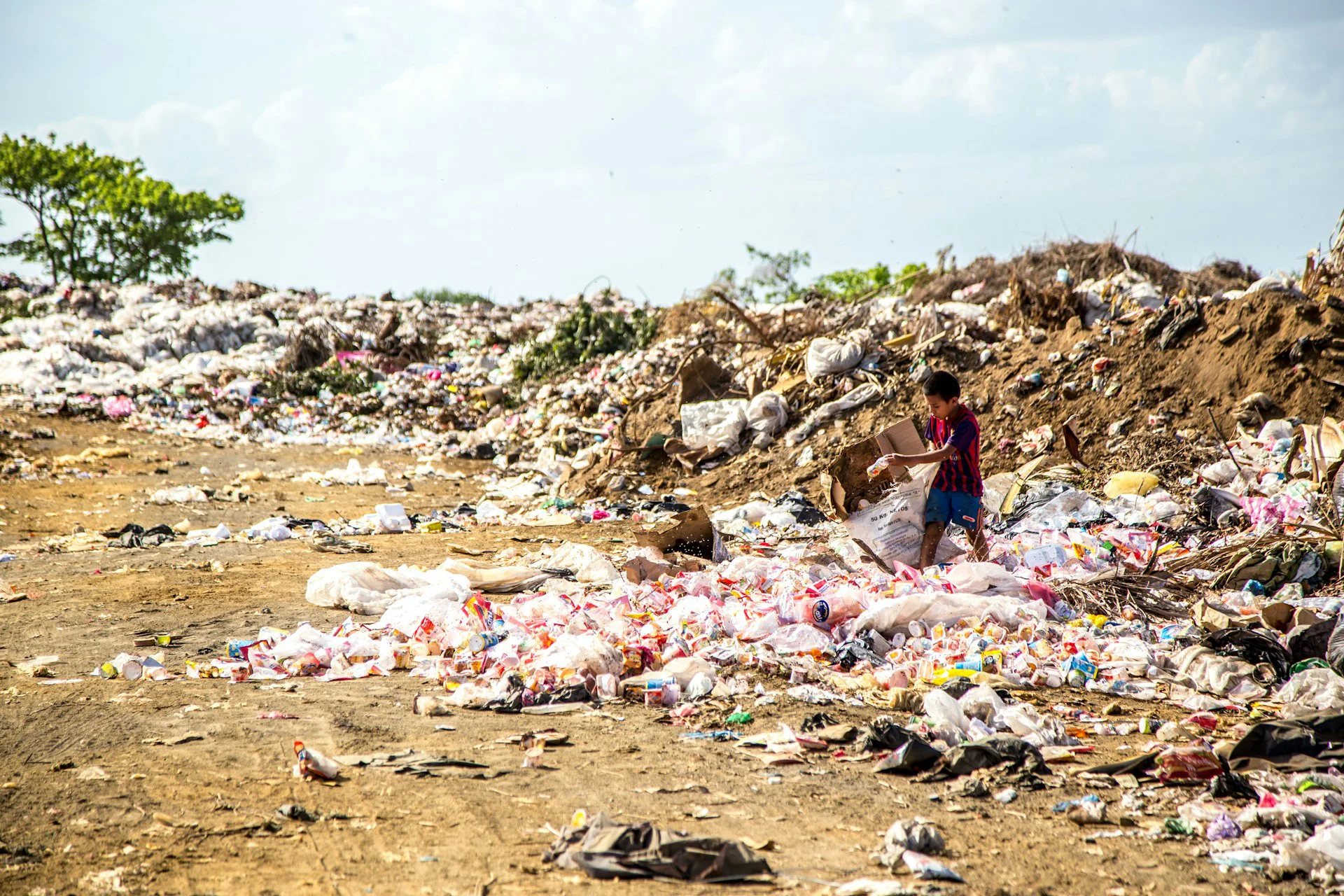
Here is the part that matters most, and it is the thread that runs through everything on this site. The World Bank points to three reasons the pile is growing: more people moving to cities, rising incomes, and more consumption. You will recognize the two familiar forces. First, sheer numbers. More people simply throw away more. Second, and this is the striking bit, how we live. As people grow wealthier, they buy more, waste more, replace things faster, and wrap it all in more packaging.
The report makes one point that says it all. Waste is growing faster than the population itself. In other words, it is not only that there are more of us. It is that each of us, on average, is throwing away more than before.
In the best cases, waste is recycled, composted, or burned in controlled plants that capture the energy. In the worst cases, it is simply dumped in the open or burned up. Roughly a third of the world’s waste is still handled this way, with no real safeguards, according to the World Bank. It leaches into soil and groundwater, clogs rivers, and drifts out to sea. The clothes from our wardrobes and the plastics from our kitchens are a large part of what ends up there.
A surprising share of the problem is food. Food scraps make up around 38% of all city waste worldwide, yet only about 6% of waste is composted or turned into biogas. The rest rots in landfill, which has its own list of consequences.
When food and other organic waste break down without oxygen, buried under everything else, they release methane, a greenhouse gas far more powerful than carbon dioxide over the short term. The World Bank estimates the waste sector produced around 1.28 billion tonnes of carbon dioxide equivalent in 2022, most of it methane, and that this could climb to 1.84 billion tonnes by 2050 if nothing changes.
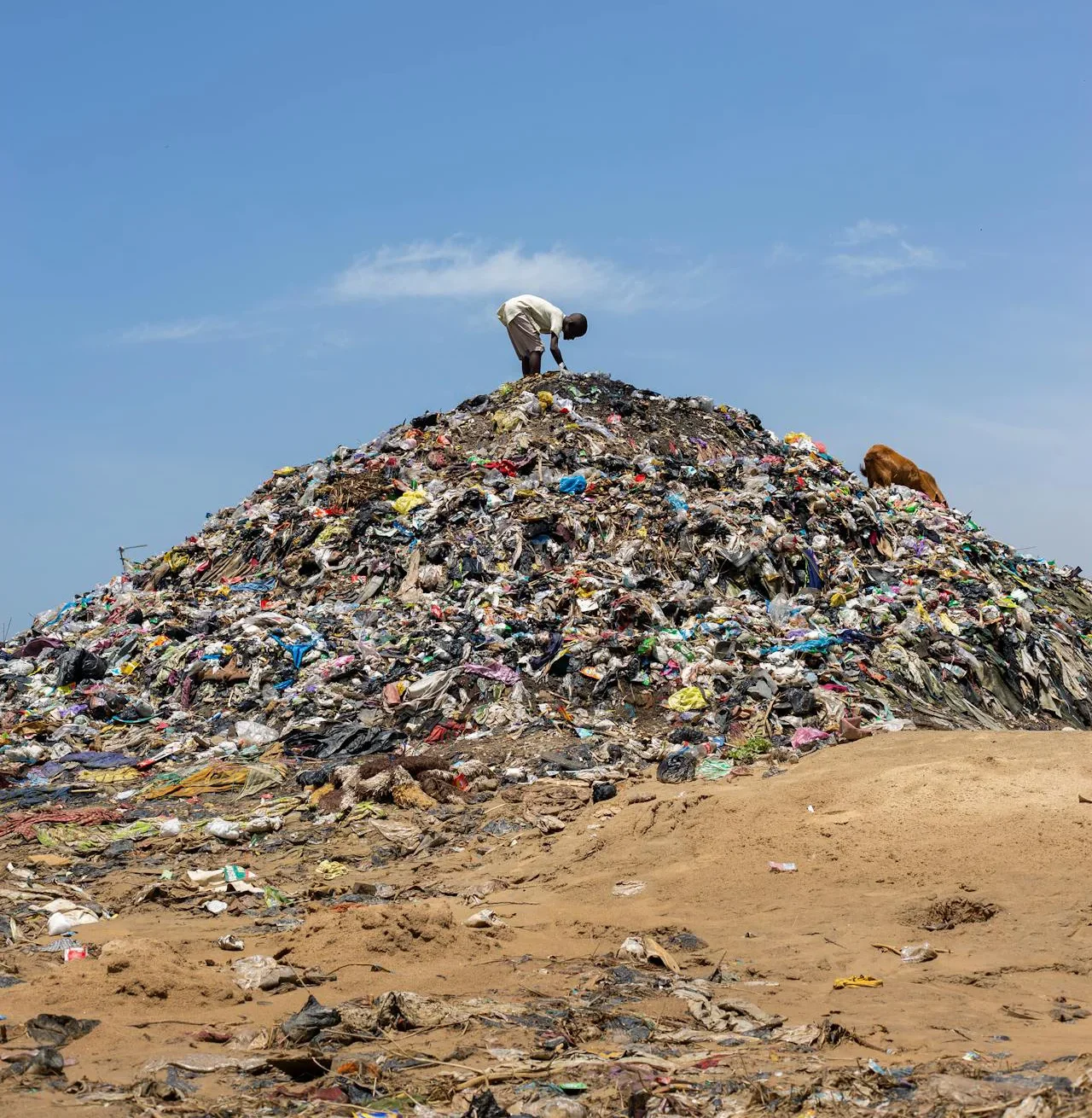
There is real progress to build on. Recycling, composting, and the whole idea of a circular economy, where materials are reused instead of dumped, can shrink the pile and cut the emissions. These things genuinely help, and they are worth doing.
But there is a limit to catching waste at the end of the pipe. As long as the number of people keeps rising and each person consumes more, the stream flowing into that pipe grows too. Better bins and cleverer recycling can slow the overflow. They cannot turn off the tap. The tap is us, and how much we choose to use.
© 2026 - World Population Limitation Movement | Website by Donkeys & Co.