
In parts of South Africa, people plan their days around an app. It tells them, hour by hour, when the electricity will cut out, so they can cook, charge their phones, and finish their work before the darkness arrives right on schedule. This is called “load shedding.” There simply isn’t enough power to go around, so the lights are switched off in turns. This page looks at why that happens, how a growing city can quietly outpace the wires that feed it, and what a rising population and higher living standards mean for the electricity we expect to be always-on.
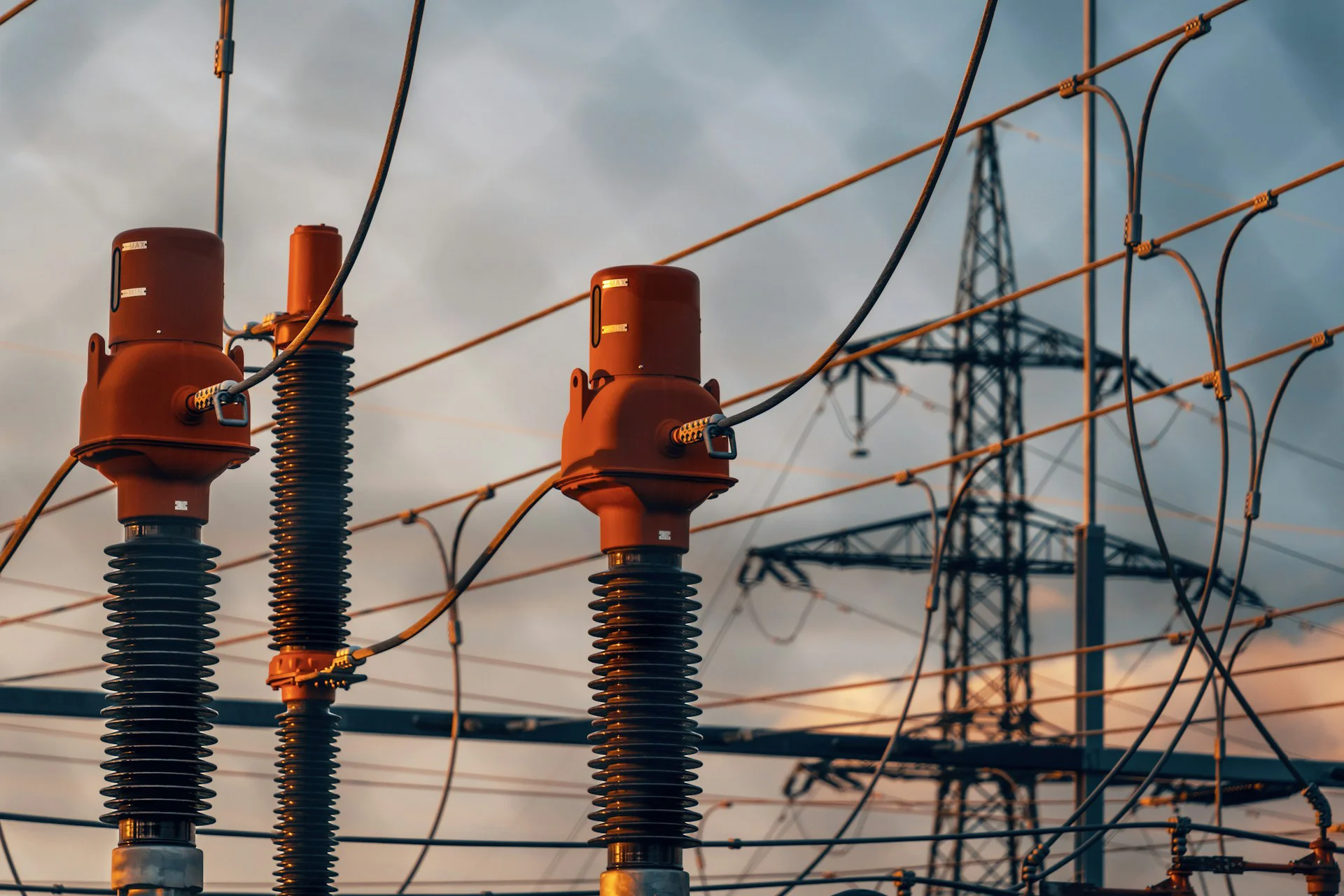
Think of load shedding as a controlled, intentional blackout. When everyone uses too much power at once, the electric company shuts off the lights in alternating neighborhoods for a few hours. It’s a last resort to keep the entire grid from overloading and crashing into total darkness. According to Eskom, South Africa’s national utility, switching off a few neighborhoods for a couple of hours is just the price of keeping the rest of the country lit.
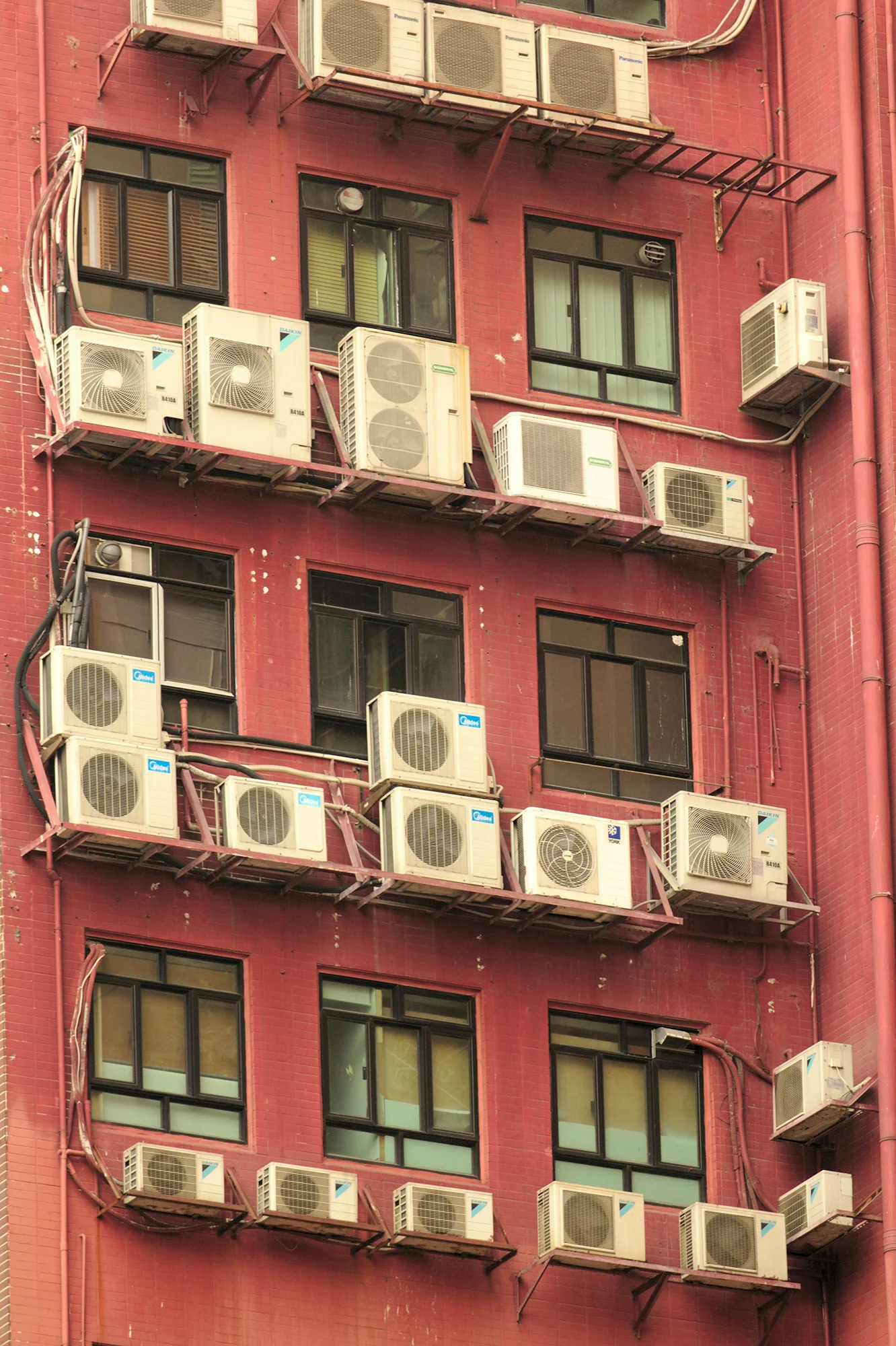
Now imagine that system having to stretch even further every year. The International Energy Agency (IEA) says the world is entering an “Age of Electricity,” with power demand through 2030 growing faster than it has in over a decade. To picture the scale, the agency estimates that the extra electricity the world will use by 2030 is like adding more than two European Unions to the grid.
Peak demand, the absolute highest amount of power the grid has to deliver on the hardest day, is climbing too. The IEA’s World Energy Outlook 2025 projects that peak electricity demand will rise about 40% by 2035, driven largely by cooling down homes and other buildings. As more people can afford air conditioning, and as hot days multiply, everyone reaches for the switch at the exact same moment. In India, the IEA expects cooling alone to take up roughly a third of peak demand by 2030.
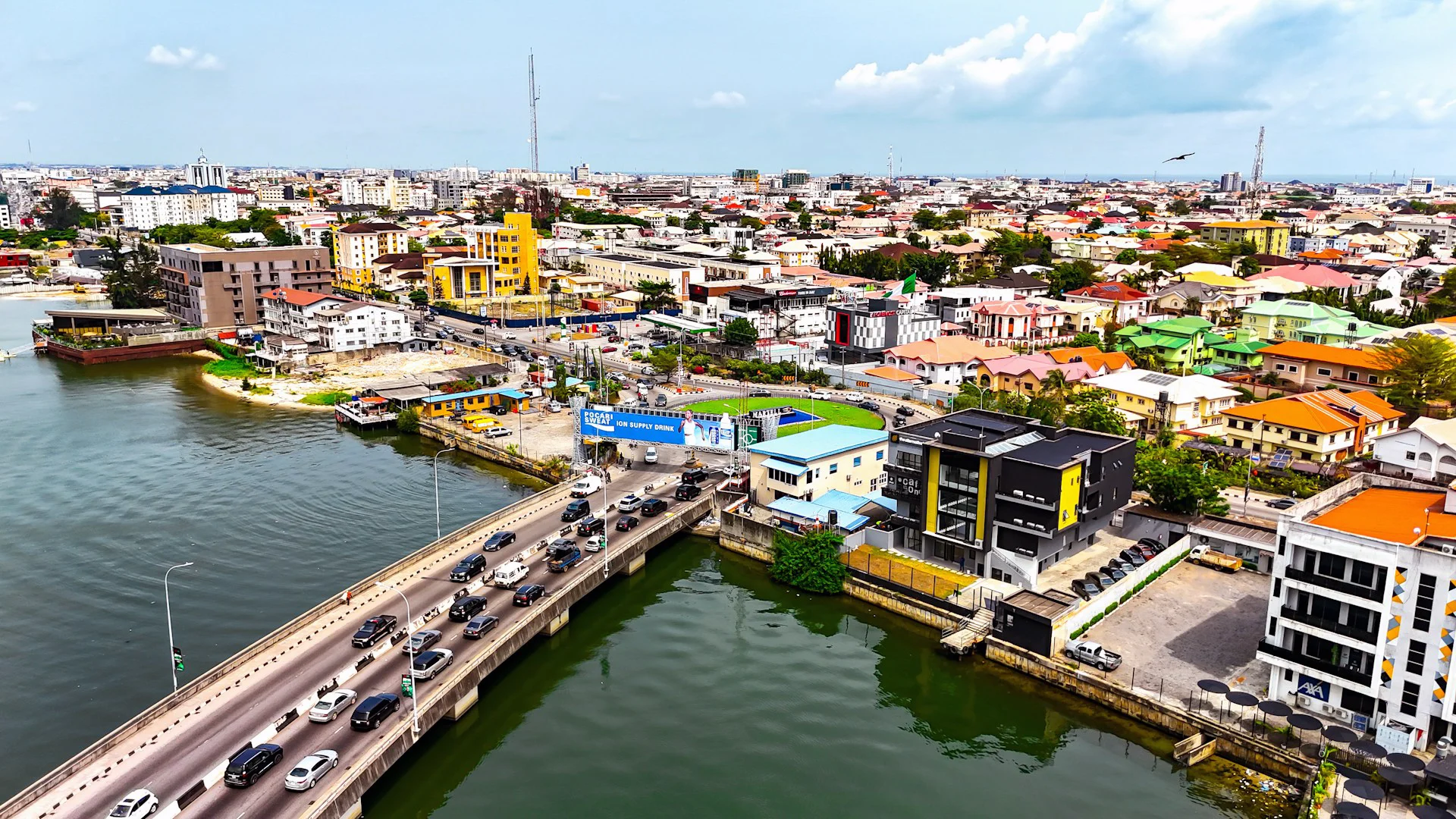
The clearest picture of a city outrunning its grid is Lagos, Nigeria’s commercial heart and one of the fastest-growing megacities on Earth. According to the Lagos Urban Power Profile, the city creates around 40% of Nigeria’s electricity demand, yet it receives only about a quarter of the national grid’s capacity. In practice, that works out to roughly 1,000 megawatts delivered where about 9,000 are actually needed for a steady supply. The result is an average of just four hours of grid power a day.
Zoom out to the rest of the country and the gap is just as stark. Nigeria’s grid reaches only around 60% of the population, leaving an estimated 86 million people without electricity.
Not every grid fails because it lacks power. Some fail even with power to spare. The Netherlands has plenty of electricity. What it’s running short of is wire. The Dutch call it netcongestie (grid congestion), and the easiest way to picture it is a massive traffic jam. The road is full, so no more cars can join, even though there’s plenty of fuel left in the tank.
A growing population, heat pumps, electric cars, induction stoves, solar panels pushing power back into the lines, and businesses swapping gas for electricity all pull on the same network during the same few evening hours. Add in new housing developments and business parks, and those evening peaks easily outgrow the cables. More than 14,000 businesses are currently sitting on a waiting list for a grid connection, and since July 2026, even regular households in crowded areas can be told to wait. In the hardest-hit regions, that wait can last anywhere from five to ten years.

In our main research, we describe humanity’s pressure on the planet as a double-bladed knife. Energy shows both blades clearly. One blade is demand: with every extra person and every rise in living standards, the world asks the grid for more. The other blade is the cost of keeping up: building more power plants and expanding the network carries its own footprint in land, materials, dammed rivers, and burned fuel. And new construction almost always lags years behind the actual need.
A blackout is simply the moment those two blades meet: when too many people asking for too much collide with a system that just couldn’t grow fast enough.
© 2026 - World Population Limitation Movement | Website by Donkeys & Co.