
Healthy land is our biggest provider. It grows the food we eat, filters the water we drink, regulates climate patterns and sustains the ecosystems we depend on. Soil forms over centuries, yet it can be damaged within decades. This imbalance is becoming increasingly difficult to ignore, as land degradation is now recognized as one of the most pressing challenges of our time. According to assessments by the United Nations and the Intergovernmental Science-Policy Platform on Biodiversity and Ecosystem Services, nearly 40% of the world’s land is now classified as degraded.
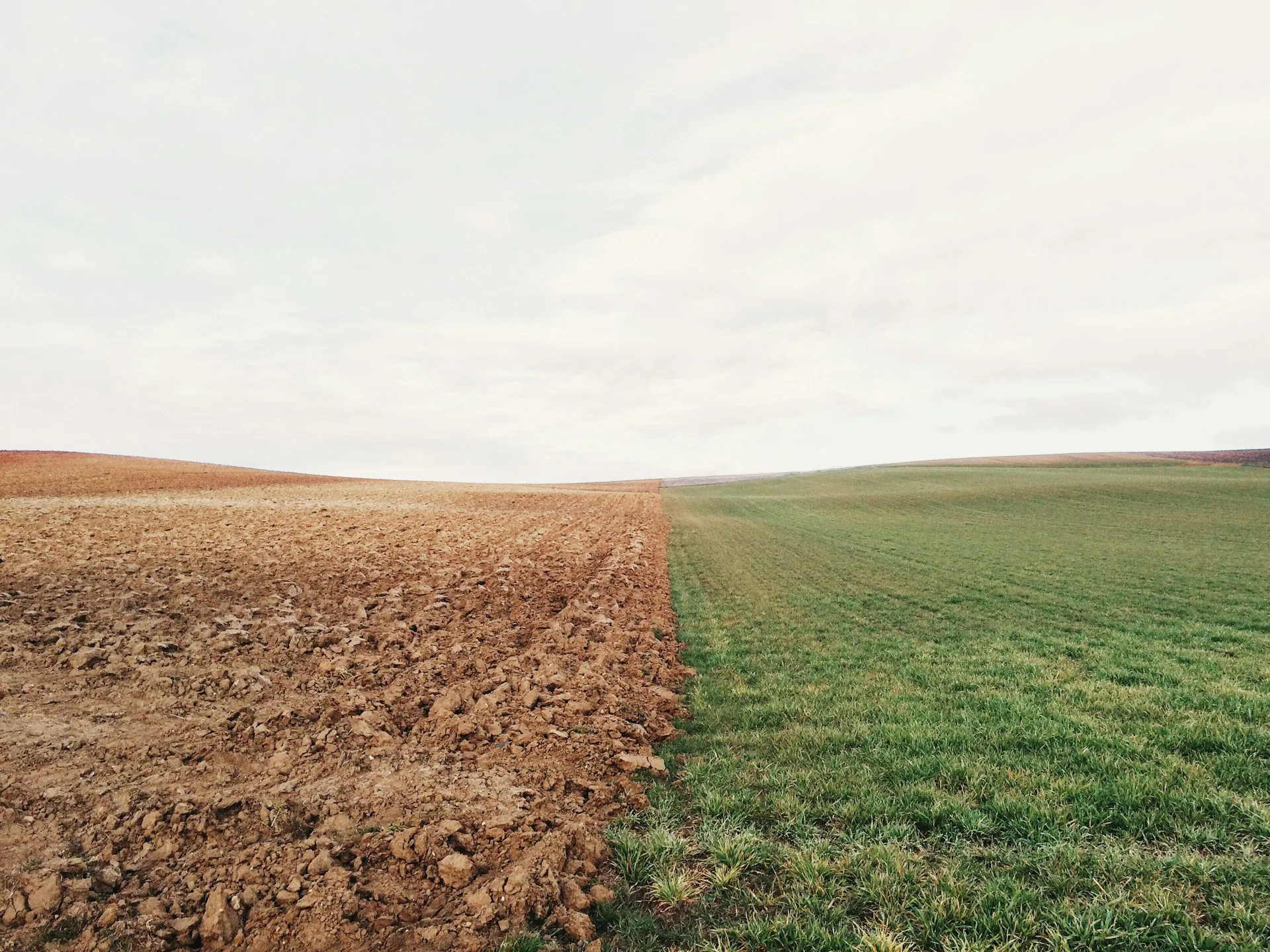
Land degradation refers to the gradual decline in the productivity of land. It occurs when soil loses it’s structure, nutrients and ability to support plant life. This decline in productivity is primarily caused by the manner in which we grow our food, and secondary by the food choices we make. Global agriculture has become monoculture: the agricultural practice of growing a single crop species, like wheat or corn or soy (soya or soyabean), over very large areas. But land degradation caused by monoculture affects more than agriculture alone. It also disrupts water systems, biodiversity and climate regulation. Degraded land surfaces become less resilient to droughts and floods, soils are being eroded much faster than natural processes can restore them.

To keep up with a still growing world population and their ever growing demand we have to produce massive amounts of food. The choices we make in the sort of food we eat have massive consequences too. People want protein. As global living standards are growing our demand for meat products grows; people with more money to spend tend to eat more meat and dairy products. Humankind consumes over 80 billion protein producing animals in one year. This awesome number of protein producing animals needs a lot of space. The land surface used for livestock, including grazing land and cropland for animal feed, accounts for 37 million square kilometers, which is equivalent to the land surface of North and South America combined.
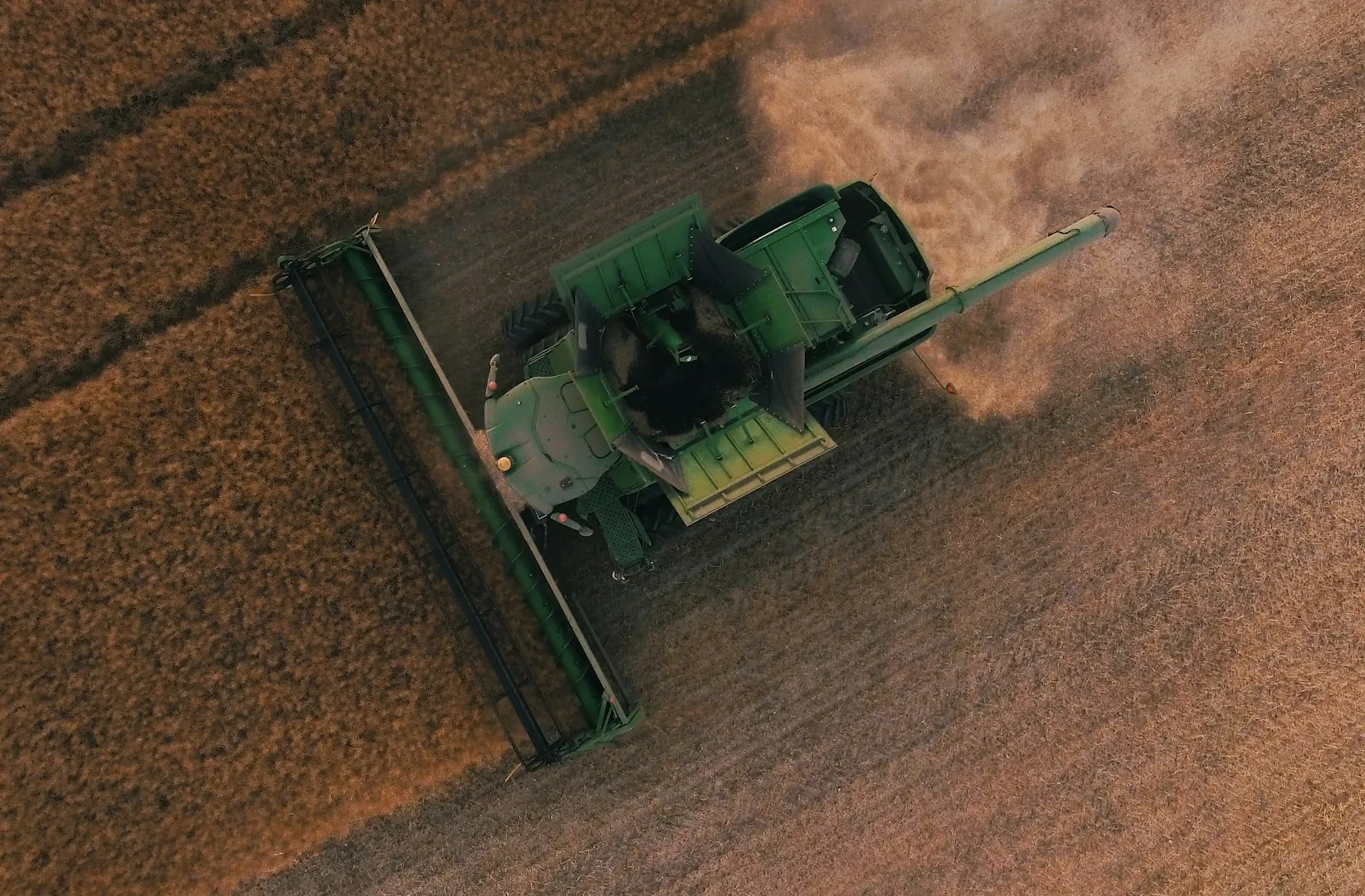
To give humankind “their daily potato and veggies” a land surface of 14 million square kilometers is required. A considerable smaller amount of square kilometers, because potatoes and vegetables are also provided using monoculture agriculture. Monoculture provides our food on a short-term timespan, with high-yield profits because it maximizes industrial efficiency using all sorts of mechanization techniques. Monoculture is the only way to feed 8 billion people in a short-term timespan. But on the long-term monoculture poses significant risks, including soil depletion, reduced biodiversity, increased pest susceptibility, and heavy reliance on chemical pesticides and fertilizers.
Humankind consumes over 80 billion protein producing animals in one year. The absolute majority of the meat we eat is chicken, around 69 billion. Followed by 1,5 billion pigs, 656 million turkeys and 574 million sheep; together forming the “Top 4” of 2018, followed by lots of our different tastes in meat. 80 Billion animals eat an awful lot. Around 10% of the world’s production of beef and about 30% of the world’s production of sheep and goat meat is supplied by grazing animals. The “bulk” of global protein producing animals are fed by global animal feed production, heavily reliant on cereals like corn and soy, reaching approximately 1,396 billion metric tons in 2024. There is only one way to produce such an awesome amount in one year: monoculture.
Corn is produced for human consumption as “sweet corn”, and for animal feed as “field corn”. Global production is highly concentrated in North and South America and Asia. Of global production 35% is for feeding protein producing animals. Global soy production is a massive agricultural sector, with an output of 396-421 million metric tons (season 2024-2025), with a 75% part for feeding protein producing animals. Brazil leads with more than 30%, followed by the United States and Argentina. The recent rapid expansion of global industrial soy farming is notorious as a primary driver of global deforestation. Both corn and soy are produced through the use of monoculture, their intensive cultivation is associated with significant environmental damage, including the loss of native ecosystems, the overuse of local water resources, water pollution and land degradation.
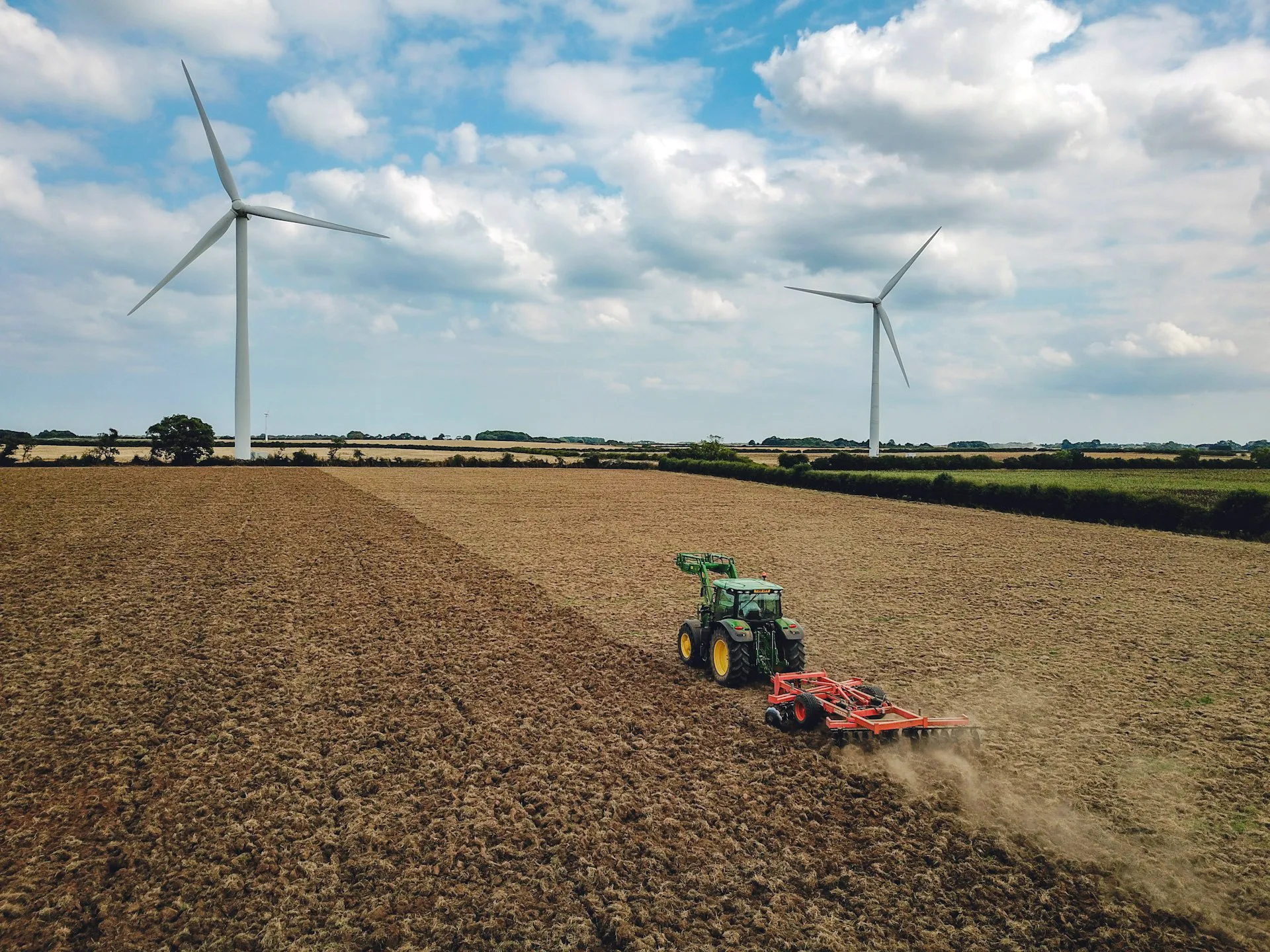
When land is worked year after year to produce the same crop species it degenerates. When land is worked year after year without time to rest and recover it degenerates. Grasslands are being “overgrazed” until the dirt can no longer hold the roots in place. A “pasture” sounds very nice but grassland is also monoculture. Healthy ground needs time to regenerate, high demand makes this impossible. The soil structure changes, soil begins to weaken leading to high rates of soil erosion and even severe topsoil loss. Natural nutrients in the soil are used faster than they can be replenished, and are being replaced by a massive use of chemical fertilizers. The land beneath us has its limits. It’s ability to grow food, filter water, and renew it’s own soil is only finite.
To keep up with a still growing world population’s need for food requires a huge effort. If the world population’s “need for food” changes into an increasing demand for meat products we also have to feed 80 billion protein producing animals every year. Land degradation is ultimate result of humankind’s still growing number combined with the choices we are making.
© 2026 - World Population Limitation Movement | Website by Donkeys & Co.