
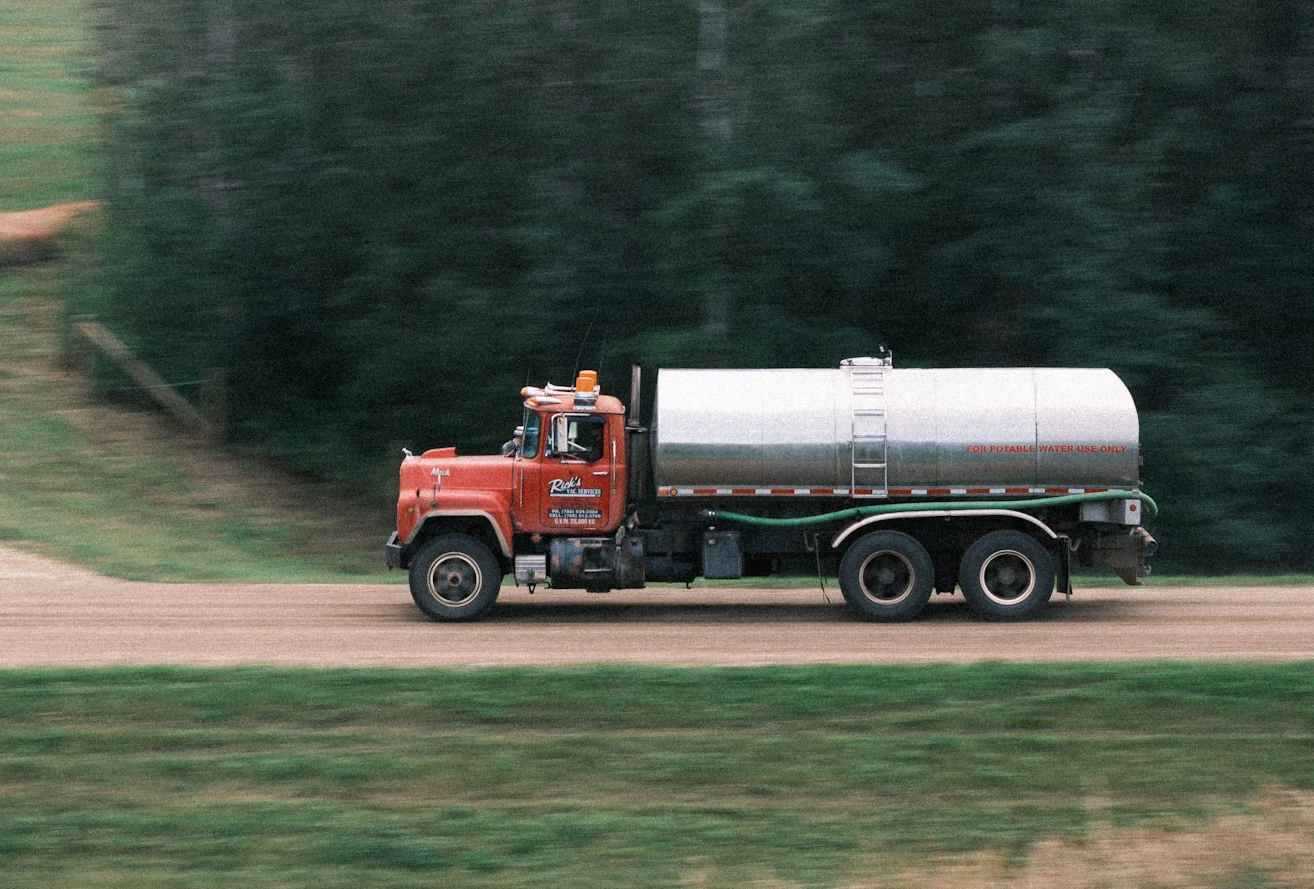
Iran is facing one of the most severe water shortages in its history. Years of drought, shrinking rainfall, and overconsumption have brought the country to a point where water scarcity is reshaping daily life, the economy, and the environment. Authorities have warned that the crisis is no longer a distant threat but a current reality. Across Tehran and several provinces, water rationing has already been introduced, and key reservoirs are running dangerously low.
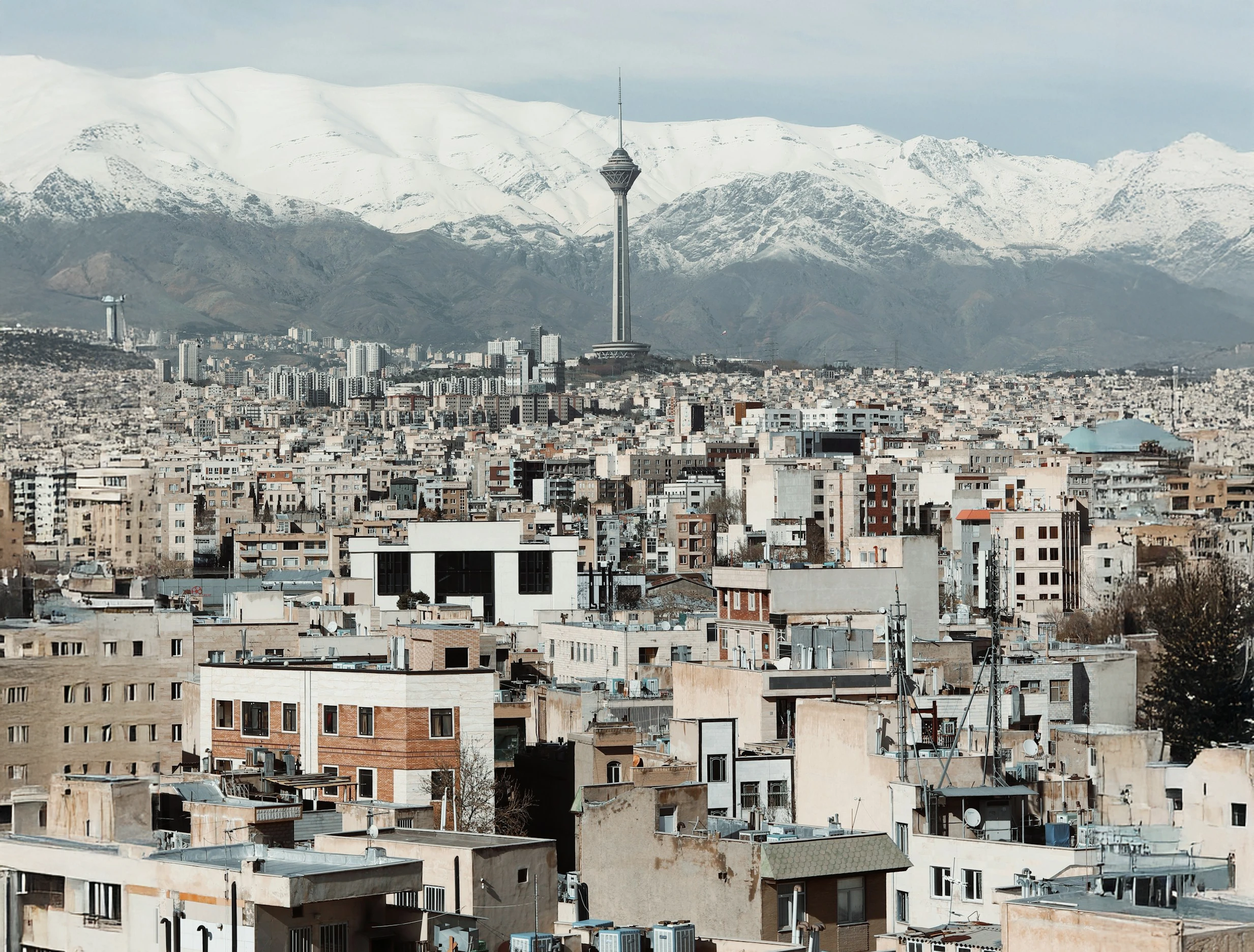
A large part of the pressure comes from agriculture. About 80 percent of Iran’s water use is tied to farming, much of it relying on outdated irrigation techniques that waste significant amounts of water. Groundwater extraction has also intensified over the past decades. Wells drilled to support crops and expanding urban populations have drained aquifers to such a degree that land is literally sinking. Studies show subsidence in parts of the country of more than 30 centimeters a year, damaging buildings and infrastructure. Once these underground reserves collapse, they cannot be refilled.
The effects are highly visible. Lake Urmia, once one of the largest salt lakes in the world, has shrunk dramatically, leaving behind vast salt flats where fishing communities once thrived. Urban areas are also under strain. Tehran, a megacity that continues to grow as people migrate from drought-stricken rural areas, faces daily water and power cuts during heatwaves. Authorities have warned that if water consumption does not change, the capital may reach levels of water scarcity that threaten its livability.
Water scarcity in Iran is not only a local issue but part of a broader global pattern. According to international research organizations, Iran is one of many countries classified as facing extremely high water stress. The measure reflects the imbalance between renewable supplies and demand. By 2025, Iran’s renewable water availability is estimated at around 816 cubic meters per person per year. The threshold for water scarcity is 1,000 cubic meters per person, which shows that the country is well below sustainable levels.
This per-capita view is crucial for understanding how population growth interacts with natural resources. Even if rainfall levels remained steady, an increasing population means fewer water resources available per individual. In dry regions like Iran, the combination of a growing population, rising consumption, and climate-driven drought creates conditions where demand consistently outpaces supply. The result is a downward spiral of overuse, environmental degradation, and forced migration.
Iran’s water crisis is a stark example of what happens when the demand from people outpaces the supply from nature. It shows how quickly essential resources can be pushed beyond their limits. As the global population moves past eight billion, the need to connect demographic trends with ecological realities becomes unavoidable. Without that connection, the future may hold more stories of scarcity, migration, and instability.
© 2026 - World Population Limitation Movement | Website by Donkeys & Co.