
The Grand Ethiopian Renaissance Dam (GERD) on the Blue Nile has captured the world’s attention. Ethiopia sees dams as a source of energy for its fast-growing population. Egypt and Sudan see them as a threat to their water security. The dispute reveals more than political disagreements. It highlights how population growth drives competition for scarce freshwater resources, not only in the Nile, but across the globe.
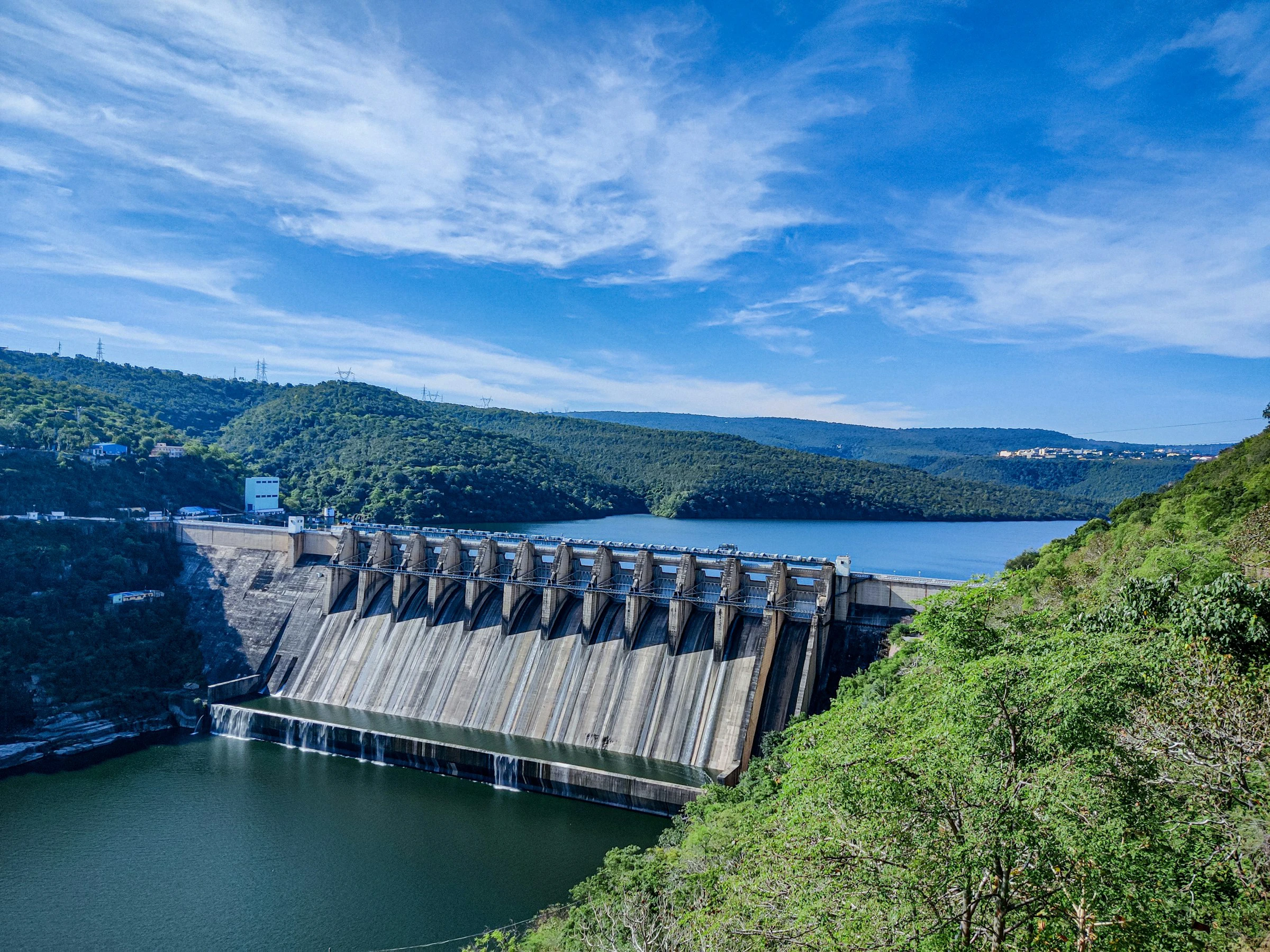
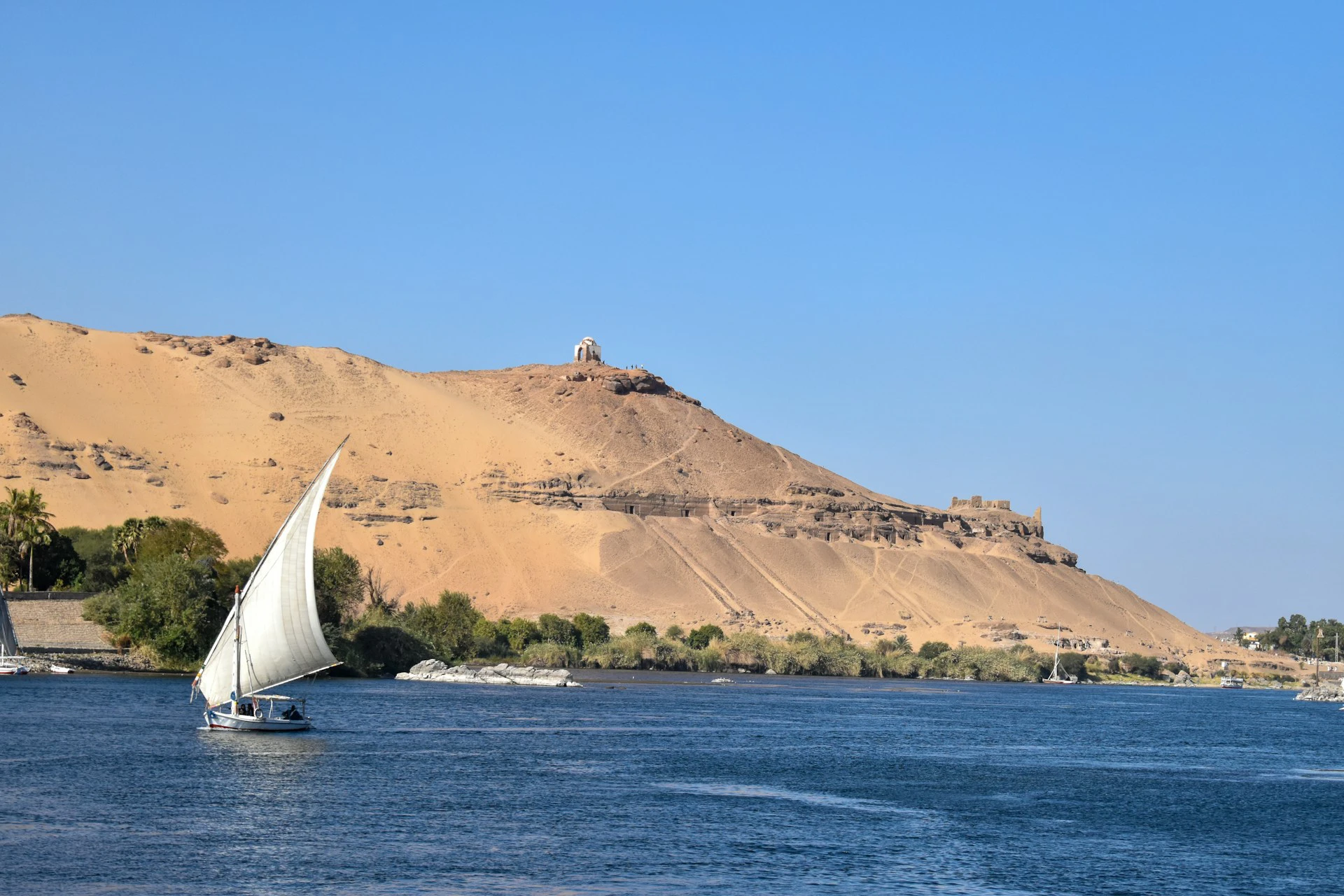
Egypt depends on the Nile for about 90 percent of its freshwater. With more than 110 million people and numbers rising every year, the country faces mounting demand for food, housing, and industry. Even small changes in river flow can translate into shortages when so many depend on the same source. Sudan, with its own growing population, shares these concerns. Ethiopia, with more than 120 million citizens, argues that it needs electricity to meet the needs of its people.
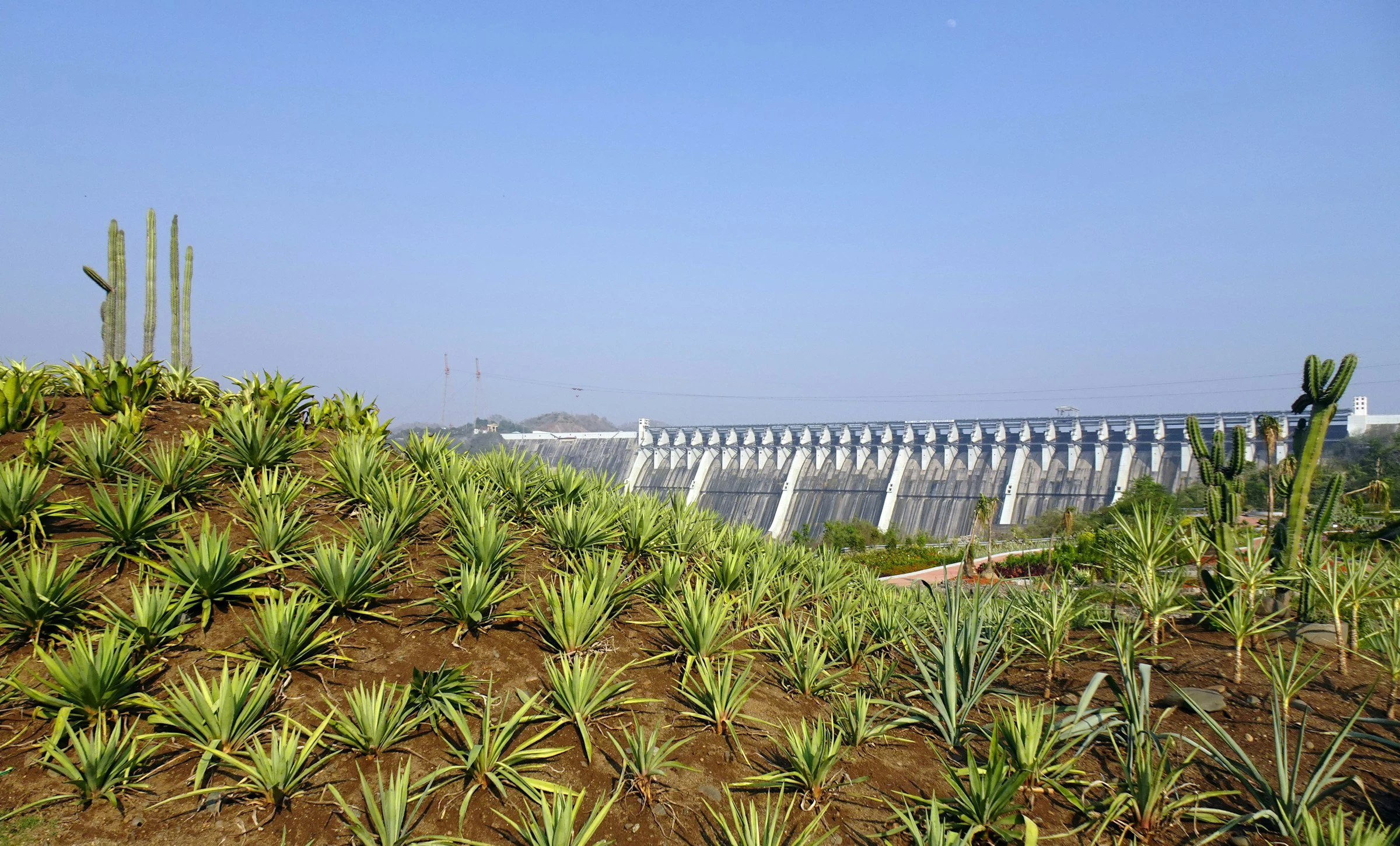
Dams are often presented as clean solutions, offering renewable energy and improved water management. For Ethiopia, the GERD promises electricity for millions who currently live without reliable power. Yet the very need for such projects stems from rapid demographic growth. Expanding populations require more energy, more irrigation, and more infrastructure. Each solution creates new pressures elsewhere, especially when rivers cross national borders.
Food security is tightly linked to water availability. Egypt’s agriculture is almost entirely dependent on irrigation from the Nile. A rising population means higher demand for grain, fruit, and vegetables, all of which require water. Even a slight reduction in supply downstream could affect harvests and increase reliance on imported goods. In Sudan, where farming also depends on river water, demand for food rises as the population grows. In all three countries, the central problem is not only managing water but balancing it against swelling demographic needs.
The tensions along the Nile are not unique. Across the world, rivers like the Mekong and the Indus face similar pressures as countries with fast-growing populations depend on the same limited flows. When multiple nations draw from one river, rising numbers on all sides magnify competition. The greater the population, the smaller the share available to each individual. What appears to be a regional dispute is part of a global pattern of overpopulation colliding with natural limits.
The lesson of the GERD is clear. Natural resources are finite, but population growth is not slowing in many regions. Infrastructure can ease shortages for a time, but it cannot change the total volume of water a river provides. As more people are born, per-capita water availability declines, and competition grows sharper.
© 2025 - World Population Limitation Movement | Website by Donkeys & Co.